An RC F1 racing car is the best way to bring the excitement of Formula 1 racing home if you love it but don’t want to spend millions of dollars. These remote-controlled models look just like real F1 cars from Red Bull, Ferrari, McLaren, and Mercedes. They have the same smooth aerodynamics, lightning-fast acceleration, and famous liveries. RC Formula 1 cars have something for everyone, whether you’re a beginner looking for a cheap toy-grade model or a serious hobbyist looking for competition-level performance.
This detailed guide will tell you everything you need to know about RC F1 racing cars, including the best models on the market right now, what features to look for, how to buy them, how to take care of them, and even how to start racing them. Let’s get into the fast-paced world of RC F1 cars!
What is a racing car for RC F1?
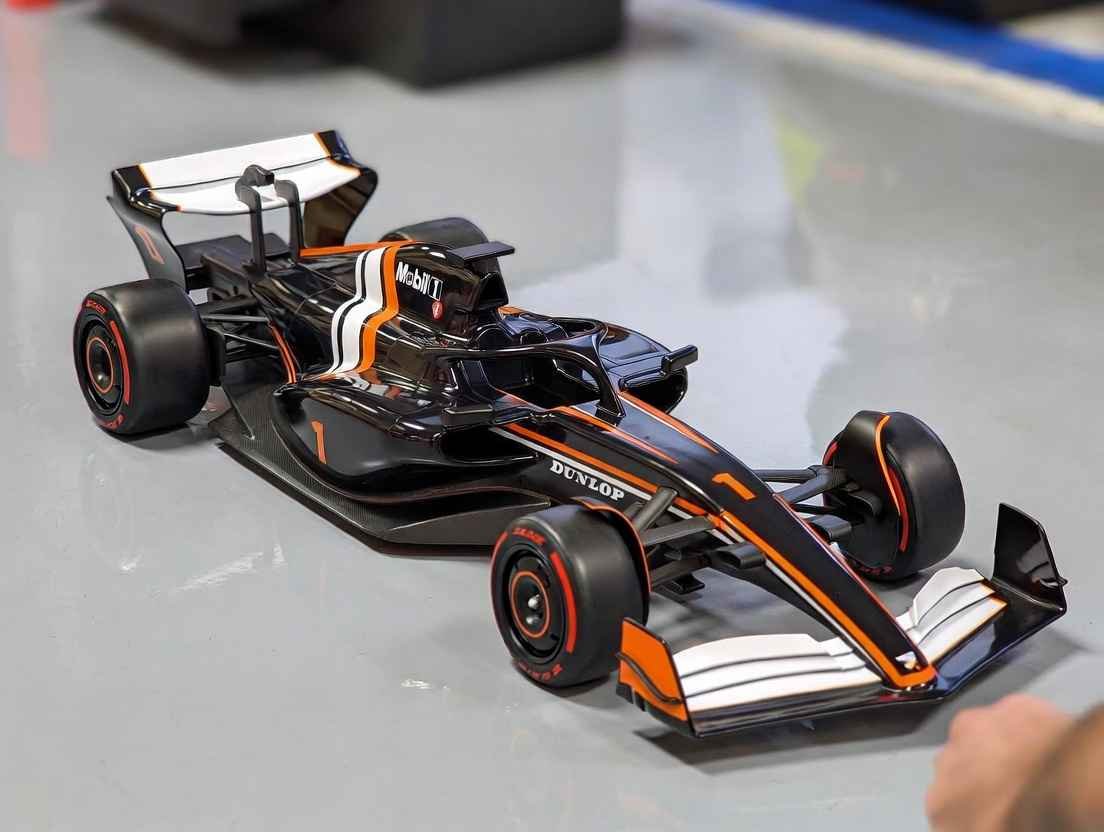
A radio-controlled F1 racing car is a smaller version of a real Formula 1 single-seater. These cars usually come in popular sizes like 1/10, 1/12, or 1/18. They have open-wheel designs, low bodies, huge rear wings, and front wings that look like those on current or classic F1 cars.
An RC Formula 1 car is different from regular RC cars in that it:
Aerodynamic design for a realistic look
Performance at high speeds in a straight line
Exact control for sharp turns
Lightweight design for fast acceleration
Many of them are officially licensed by F1 teams like Red Bull Racing, McLaren, Ferrari, and others, so they are both fun toys and collectors’ items.
Toy-grade RC F1 racing cars from brands like Rastar, Maisto, or Voltz Toys are cheap ($40–$100) and fun for kids or just for fun. Hobby-grade options, such as Tamiya, XRay, and Serpent, cost between $200 and $800 and provide pro-level performance for serious racing.
Why Get an RC F1 Racing Car in 2026?
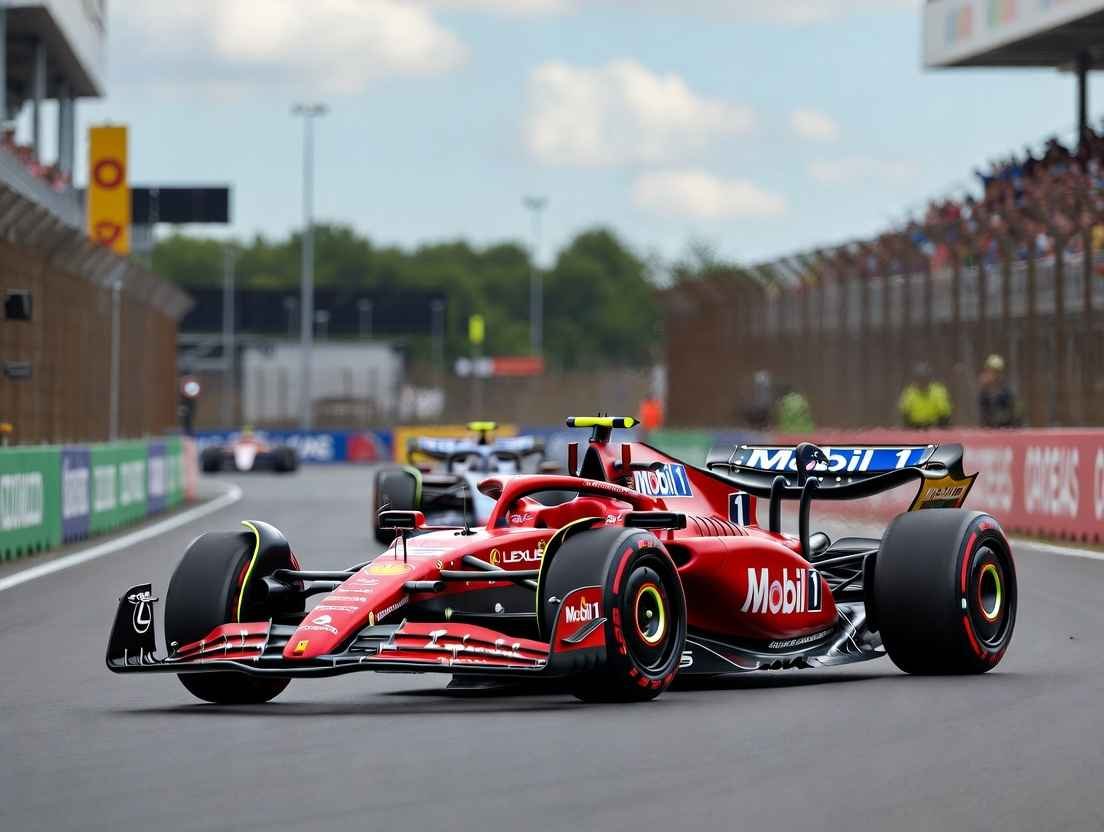
Thanks to Netflix’s Drive to Survive, Formula 1 has become very popular in the US, and RC F1 racing cars are more popular than ever. Here’s why they’re popular right now:
Realism: The bodies, sponsor decals, and LED lights are very realistic and look like real F1 cars.
Speed Thrills—Many of them went 15 to 30 mph, which felt like they were racing in the Grand Prix.
Low Competition Niche: There are a lot of general RC cars out there, but there aren’t as many searches for specific “RC F1 racing cars.” This means that you can find what you’re looking for quickly.
You can race on smooth floors inside, on driveways outside, or at club events.
Gifts and Collecting: Great birthday gifts for F1 fans or things to add to display shelves.
It’s a great time to get involved now that new licensed models are coming out all the time, like the 2025–2026 Red Bull RB20 or Ferrari SF-24 replicas.
The Best RC F1 Racing Cars to Buy Right Now (2026 Suggestions)
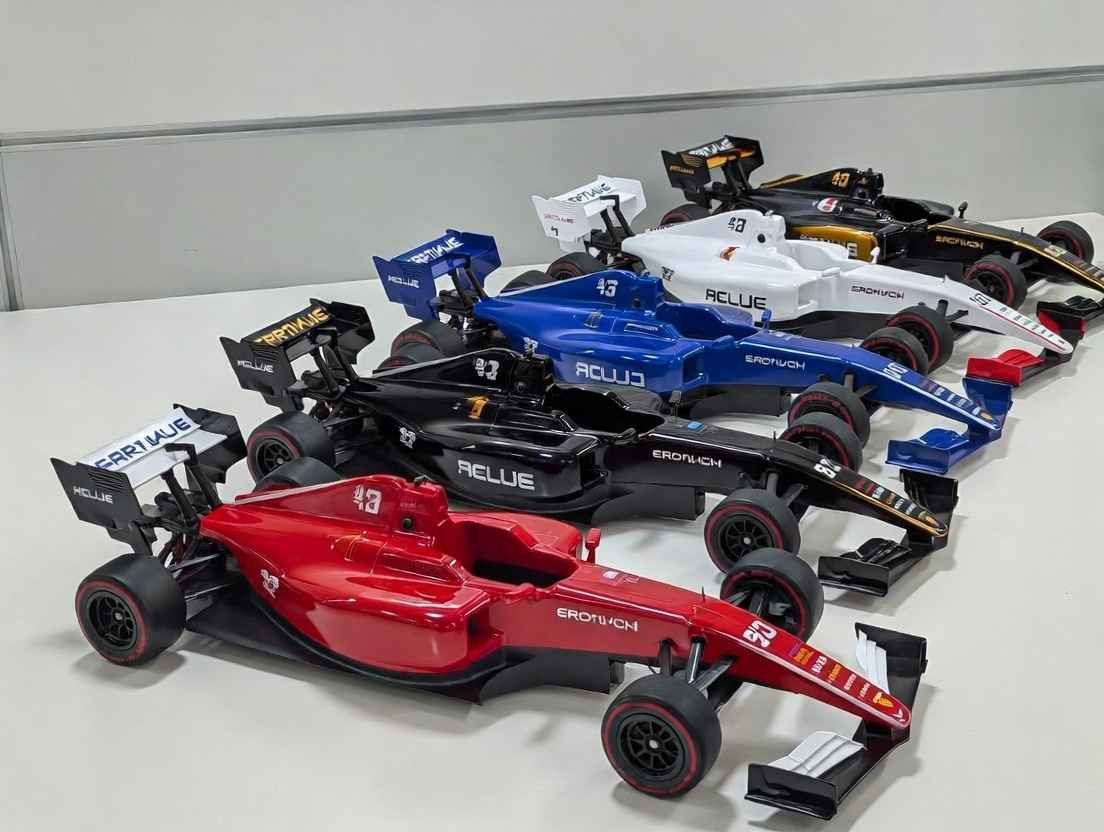
Based on reviews, performance, and value for money for US buyers (available on Amazon, Walmart, Costco, etc.), here are some of the best RC F1 racing cars:
Officially licensed F1 cars from Rastar and Voltz Toys (Red Bull RB18/RB20, McLaren MCL36/MCL38, Ferrari F1-75/SF-24)
Cost: $50 to $80
Features: a 2.4GHz remote with a range of up to 50 feet, full steering, forward and backward movement, a speed of about 15 to 20 km/h, realistic details, and a rechargeable battery.
Best for: kids, collectors, and people who are new to it. These Costco and Amazon bestsellers look excellent and can handle casual play.
Pros: cheap, licensed liveries, and excellent display value.
It is not suitable for serious racing because it lacks advanced suspension.
Maisto 1/10 or 1/12 F1 RC Cars (Red Bull, Ferrari, and McLaren editions are common at Costco)
Cost: $50 to $70
Features: Die-cast parts, detailed cockpits, and excellent speed for the price.
Best for: People who shop in the US and see them in stores.
Many people call them “shelf queens” because they are surprisingly excellent for the price and fun to drive.
The Tamiya 1/10 F1 Series includes the TRF104, F104 Pro, and other models.
Cost: $300 to $600 (in kit form)
Features: a high-performance chassis, adjustable suspension, and brushless motor options. It’s made for club racing.
Best for: people who are really into their hobbies. Tamiya F1 cars rule RC tracks. They’re light, adjustable, and a lot of fun to race with friends.
Pros: Realistic handling and the ability to upgrade.
Cons: It needs to be put together and costs more.
XRay, Serpent, or Roche F1 Kits (1/10 scale race cars)
Cost: $400 to $800 or more
Advanced aerodynamics, carbon fibre parts, and pro setups for UF1, or club racing, are some of the features.
Best for: racers who want the handling of real F1 cars.
Do-it-yourself or custom builds (made from scratch or 3D-printed)
Some people make functional RC F1 racing cars with custom diffs, suspension, and bodies that cost $7,000 or more. These videos are popular on YouTube and Instructables.
If you live in the US, you can find the newest stock at Amazon, Walmart, eBay, or hobby shops like Horizon Hobby.
Things to Look for in an RC F1 Race Car
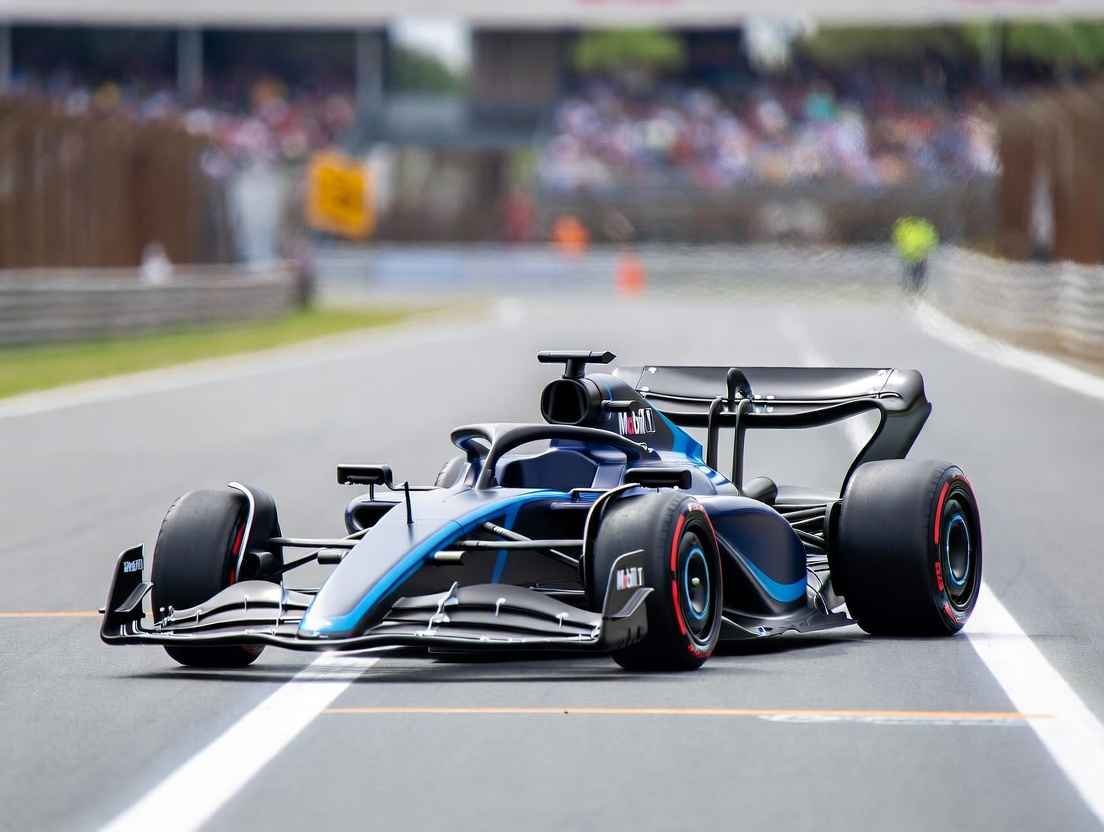
When you buy your RC F1 racing car, keep these things in mind:
1/12 for small fun, 1/10 for more speed and stability.
Control System: 2.4 GHz for a range without interference.
Speed and Power: 15+ mph is enjoyable; brushless motors are suitable for hobby-level use.
Battery Life: Rechargeable LiPo or NiMH (20 to 40 minutes of use).
Build Quality: Licensed models have more details, while hobby kits are more durable.
Some toys have extras like LED lights, sound effects, or smoke effects.
Stay away from no-name brands that are very cheap; they break easily.
How to Start Your RC F1 Racing Car
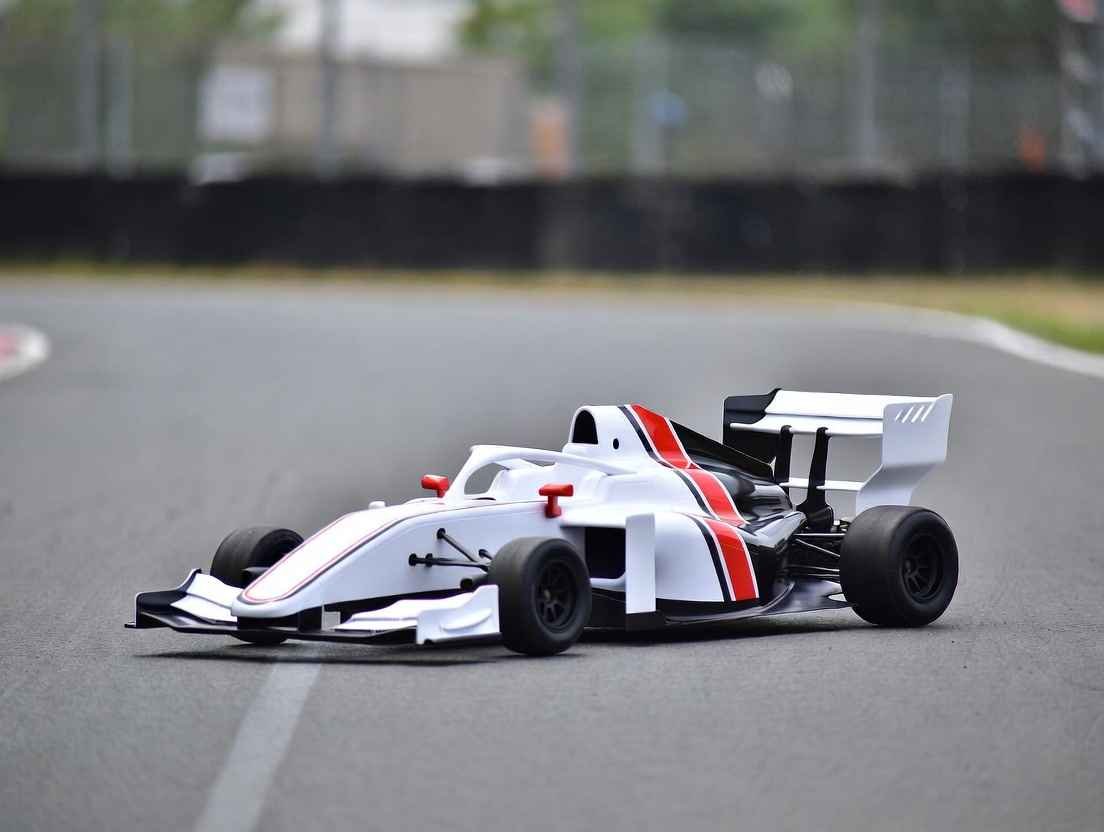
Unbox and charge it up. Most come ready to run (RTR).
Locate a Place: Smooth indoor floors or outdoor pavement work best. Stay away from sand and grass.
Practice Driving: Go slowly at first, and get good at using the throttle and steering for tight turns.
Make it your own by putting on decals, getting new tires, or switching out the motors for more speed.
Join communities like Reddit (r/rccars, r/f1models), YouTube channels (RC Driver, Popalong RC), or your local RC club to get tips and race.
Tip for safety: Always wear eye protection when you run fast!
How to Take Care of Your RC F1 Racing Car So It Lasts Longer
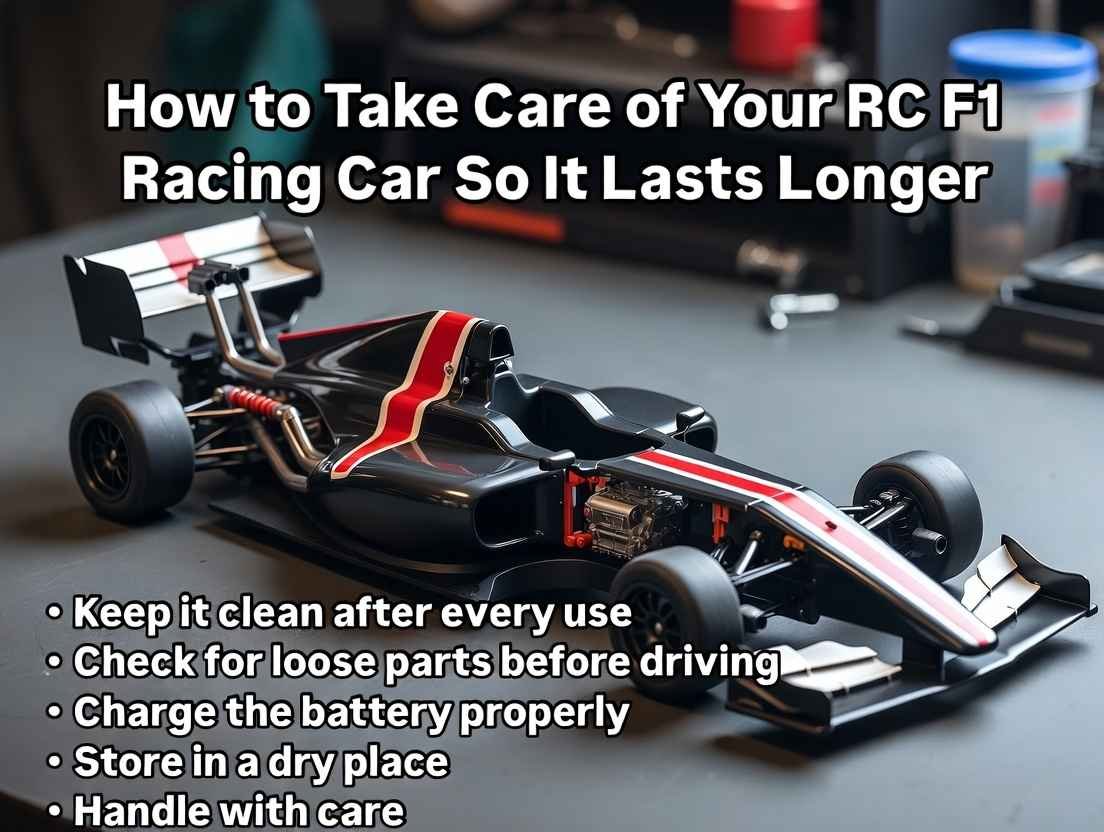
After every run, clean up (dust and dirt kill motors).
Charge batteries the right way (don’t let them run out).
Check for wear on screws and gears.
Get new tires for better grip.
Keep it in a cool, dry place.
Even toy-grade RC F1 racing cars can last for years with basic care.
Which is better: an RC F1 racing car or another type of RC car?
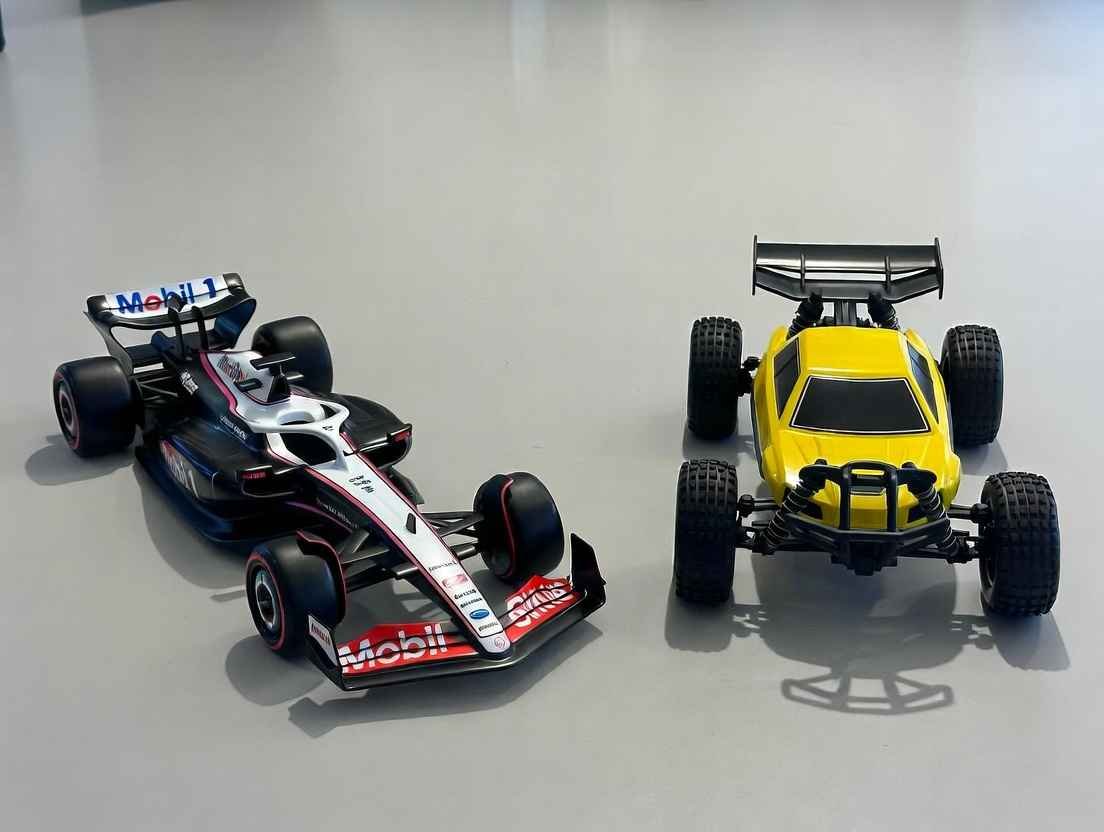
RC Formula 1 cars are better than monster trucks or drift cars at:
How fast on smooth surfaces
Realistic looks for F1
Precision in turning
But they have trouble on rough ground because they’re not made for off-road use.
An RC F1 racing car gives you the same rush as real F1 strategy and speed, but in a smaller package.
The Future of RC F1 Racing Cars
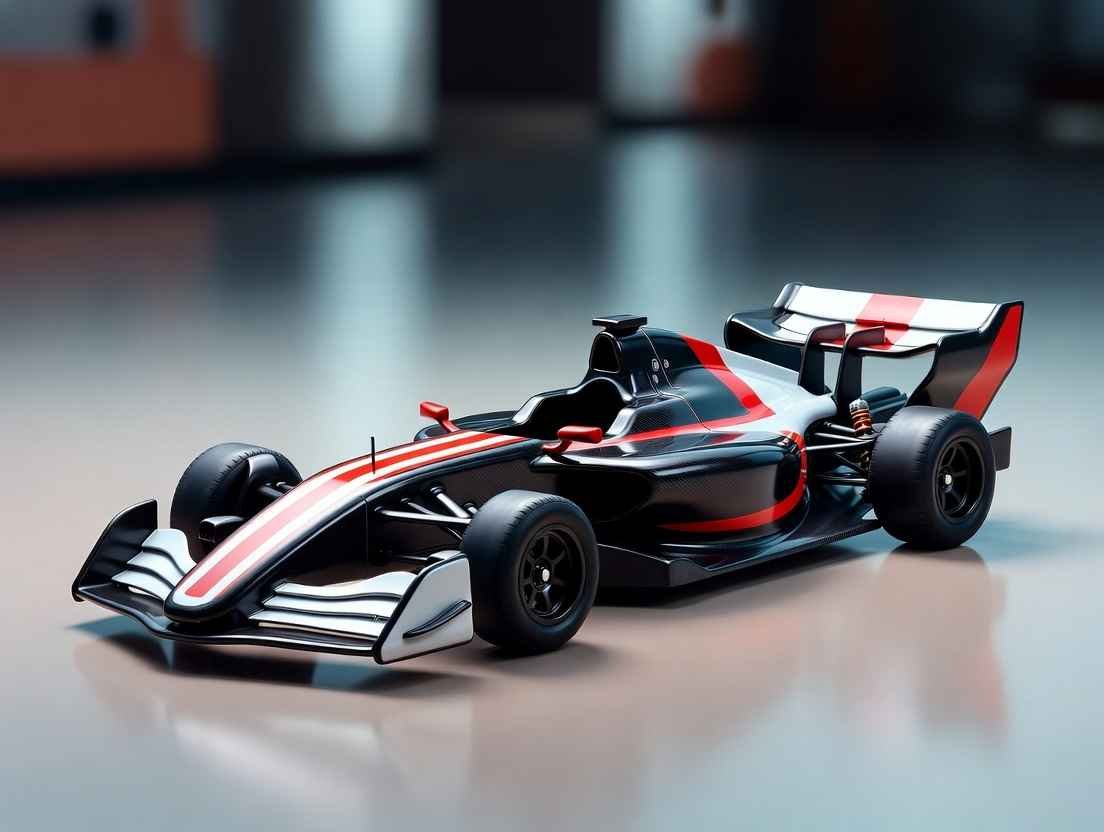
In 2026, look for more licensed models from the 2025–2026 F1 seasons, better battery technology for longer runs, and more people getting into club racing. As F1 grows in the US (with races in Miami, Austin, and Las Vegas), the demand for RC F1 racing cars will keep going up.
Final Thoughts: Should You Get an RC F1 Racing Car?
Yes, if you want realistic looks, exciting speed, and the feel of F1 without leaving your house. You can start with a cheap licensed model like a Rastar Red Bull or McLaren for less than $70, or you can go pro with Tamiya for real fun.
Are you ready to “hit the track”? Get your RC F1 racing car today and have some fun like you’re in a mini Grand Prix!
Which F1 team do you like best? Leave a comment below: Red Bull, Ferrari, or McLaren? Let’s race!