Getting Started
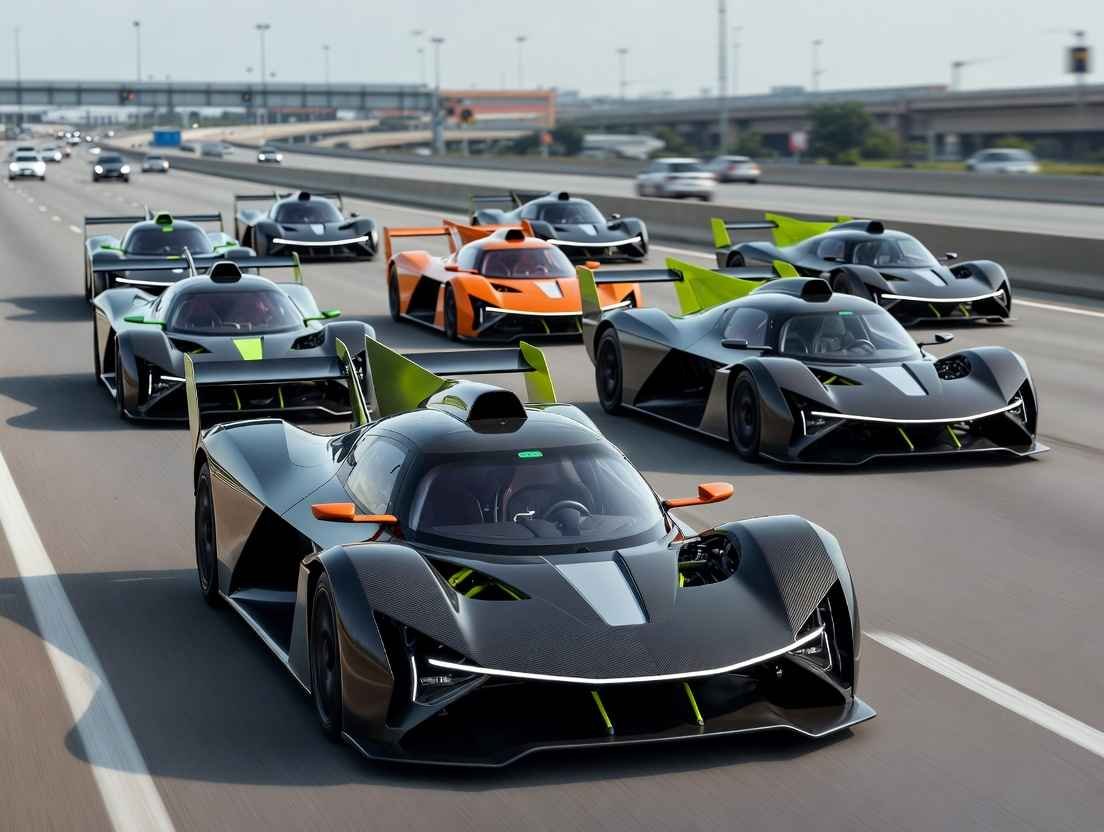
Electric racing cars are the fastest and most advanced in motorsport, but in 2026, many high-performance electric cars will be based on racing series like Formula E. These fast electric cars do well in US traffic because they have quick acceleration, good handling, and smart battery management. These electric sports cars are excellent for merging safely on crowded highways in Los Angeles and for getting out of traffic quickly in New York. They also have regenerative braking, which lets them recapture energy during frequent stops. This guide examines the top 10 electric racing cars, modified for use on American roads in 2026. It talks about their power delivery, real-world driving range, and how they handle heavy traffic.
What Makes an Electric Racing Car Good for Driving in the US in 2026
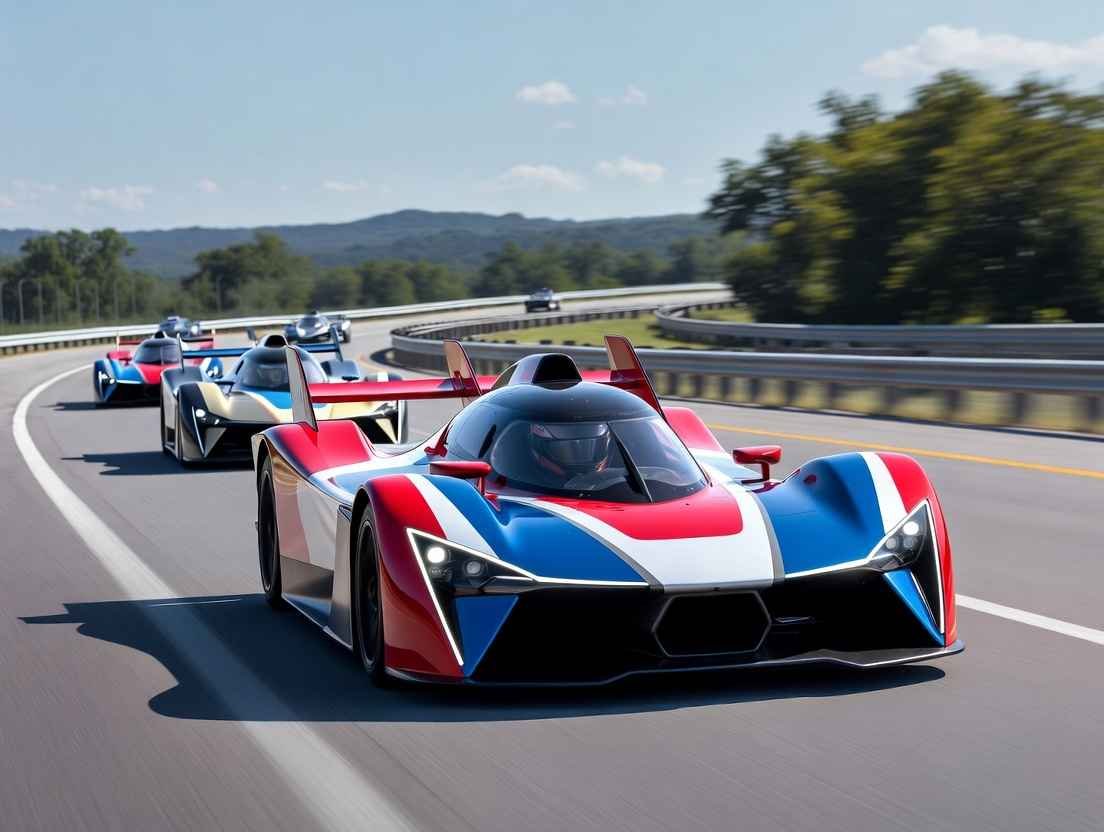
High-performance electric cars do well in traffic because they have instant torque, which gives them power right away without having to change gears. This means that in heavy traffic in US cities, it’s easier to change lanes on the interstate and get going faster when the light turns green. Regenerative systems turn braking into battery charging when you stop and go, which gives you more range during rush hour. Aerodynamic designs that come from racing cut down on drag on highways, and advanced driver aids keep people safe when traffic is unpredictable. Battery efficiency is most important in changing weather, like the very hot summers in Texas or the very cold winters in the Midwest, where these EVs keep their strong output.
1. The Porsche Taycan Turbo GT
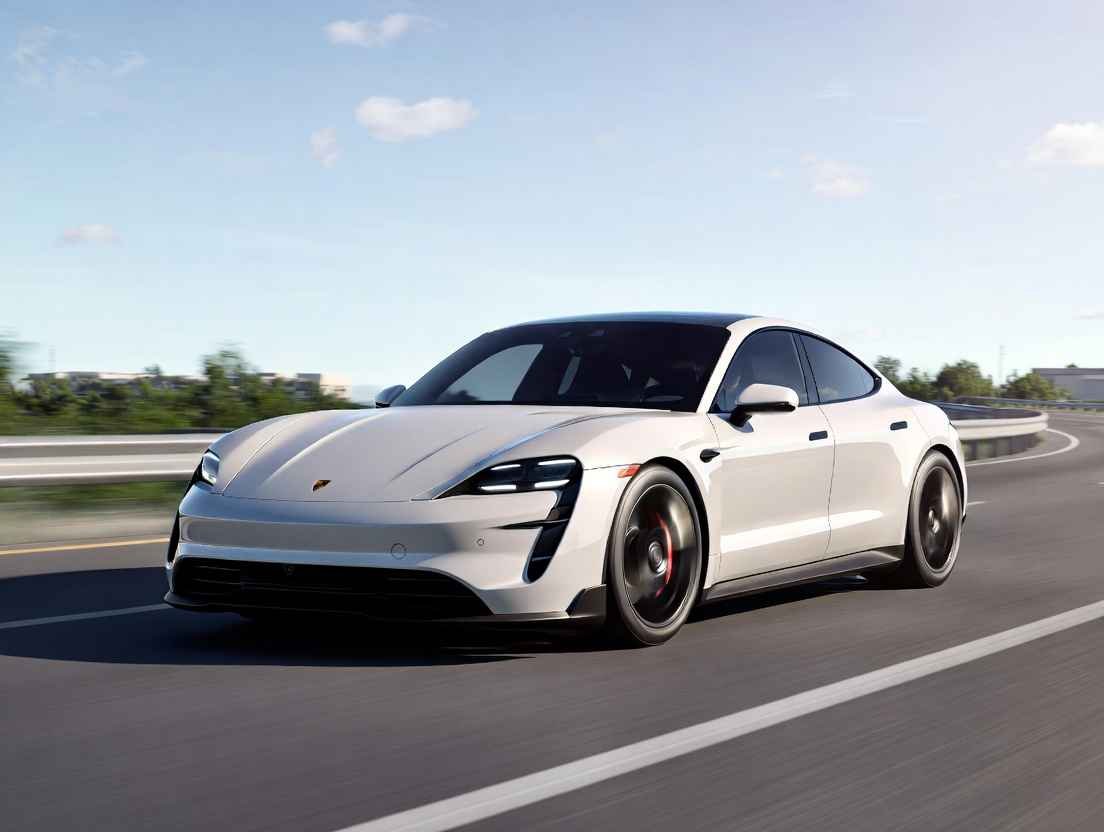
The Porsche Taycan Turbo GT is one of the best electric racing cars for US roads, with more than 1000 horsepower in attack mode. Its quick acceleration makes it easy for drivers to merge safely onto busy motorways like I-405 in California. The car’s precise steering and adaptive suspension make it easy to drive on bumpy city roads. Its regenerative braking system recharges the battery when you stop for traffic. The Taycan is very efficient in crowded areas, giving it outstanding performance without using too much energy. Drivers like how calm and swift they can be in everyday highway traffic.
2. The Hyundai Ioniq 5 N
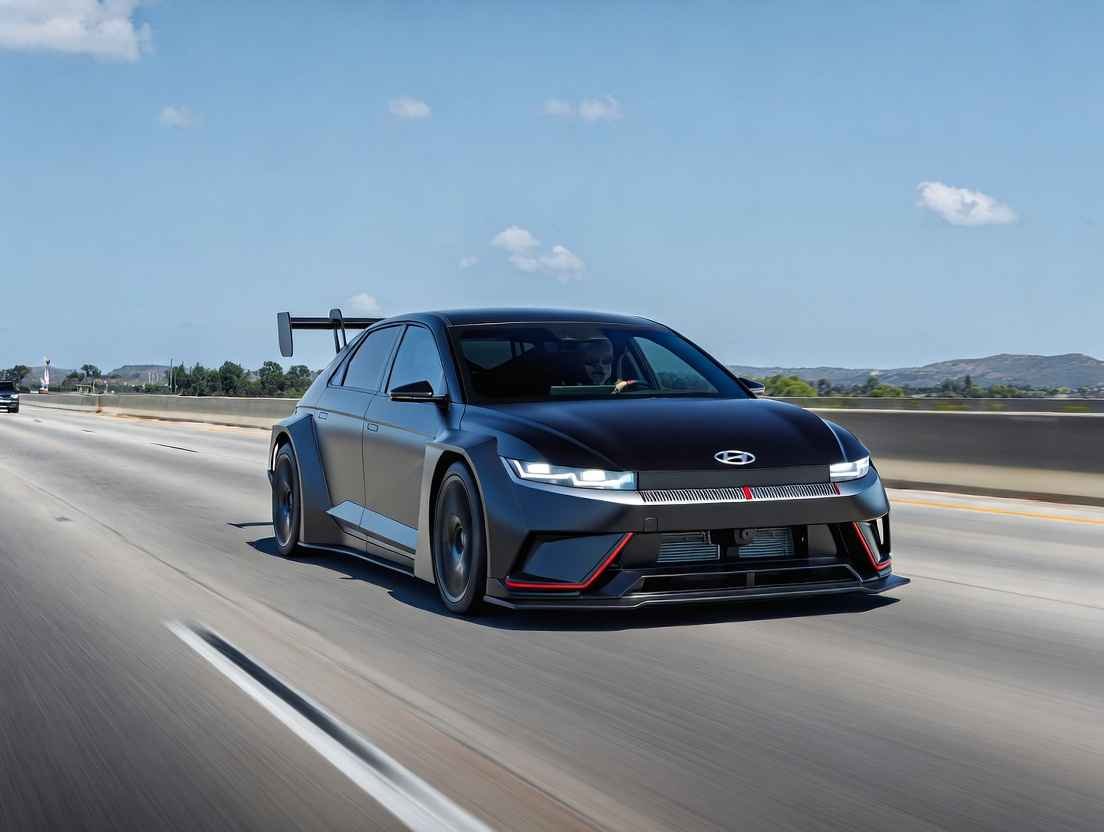
The Hyundai Ioniq 5 N has racing-inspired handling that makes it a good electric sports car for US roads. The quick throttle response and simulated gear shifts make driving in the city enjoyable. Quick acceleration helps you pass slower cars on multi-lane highways, and the crossover stance gives you a better view of traffic jams. The vehicle’s battery management system makes the most of its range during stop-and-go commutes that are common in cities like Chicago and Atlanta. Regenerative modes change based on how busy the road is, making it useful for everyday use and giving you the same thrills as an electric racing car.
3. Sapphire Air Lucid
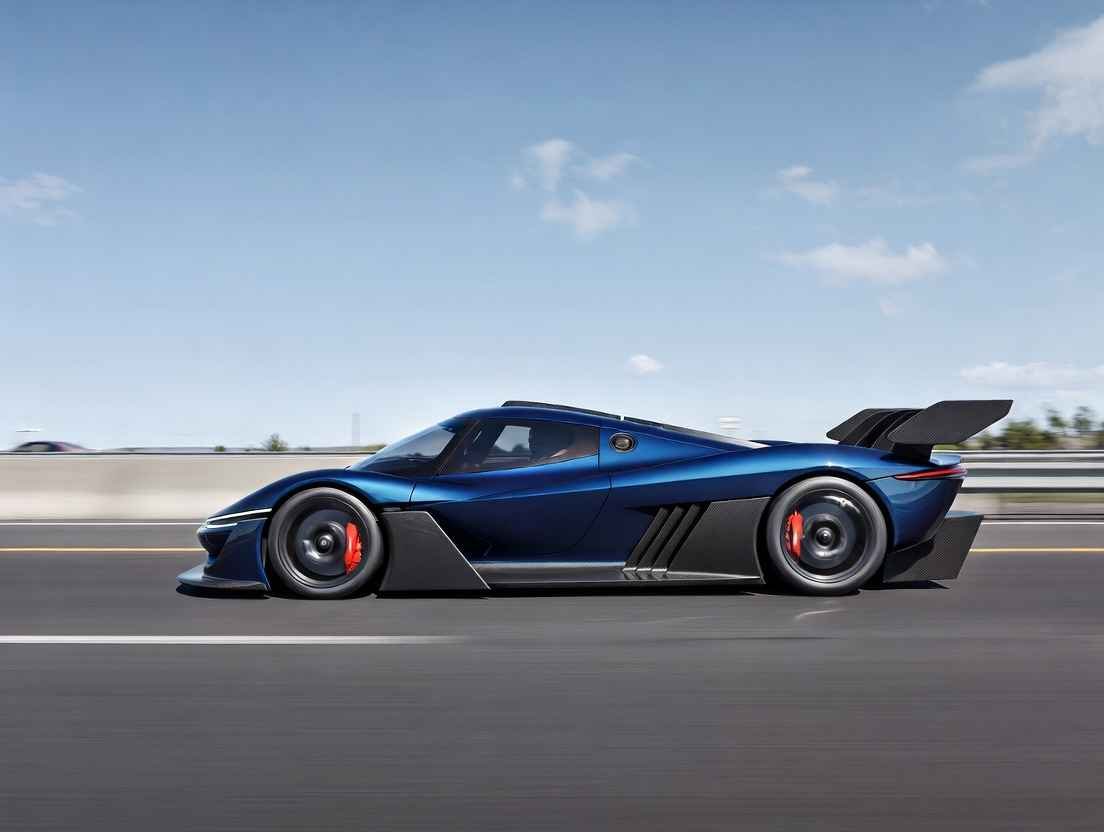
Lucid Air Sapphire has three motors that give it more power than most electric racing cars, making it perfect for driving on US highways. Its ability to sprint in less than two seconds makes it safe and quick to pass in fast-moving lanes. The long range works well for long commutes through busy areas like the Northeast Corridor. The advanced thermal management ensures consistent performance during hot summers and cold snaps, while the quiet cabin reduces the fatigue caused by long traffic delays. This electric performance car combines luxury with racing-level speed for driving on real roads.
4. The Plaid Tesla Model S
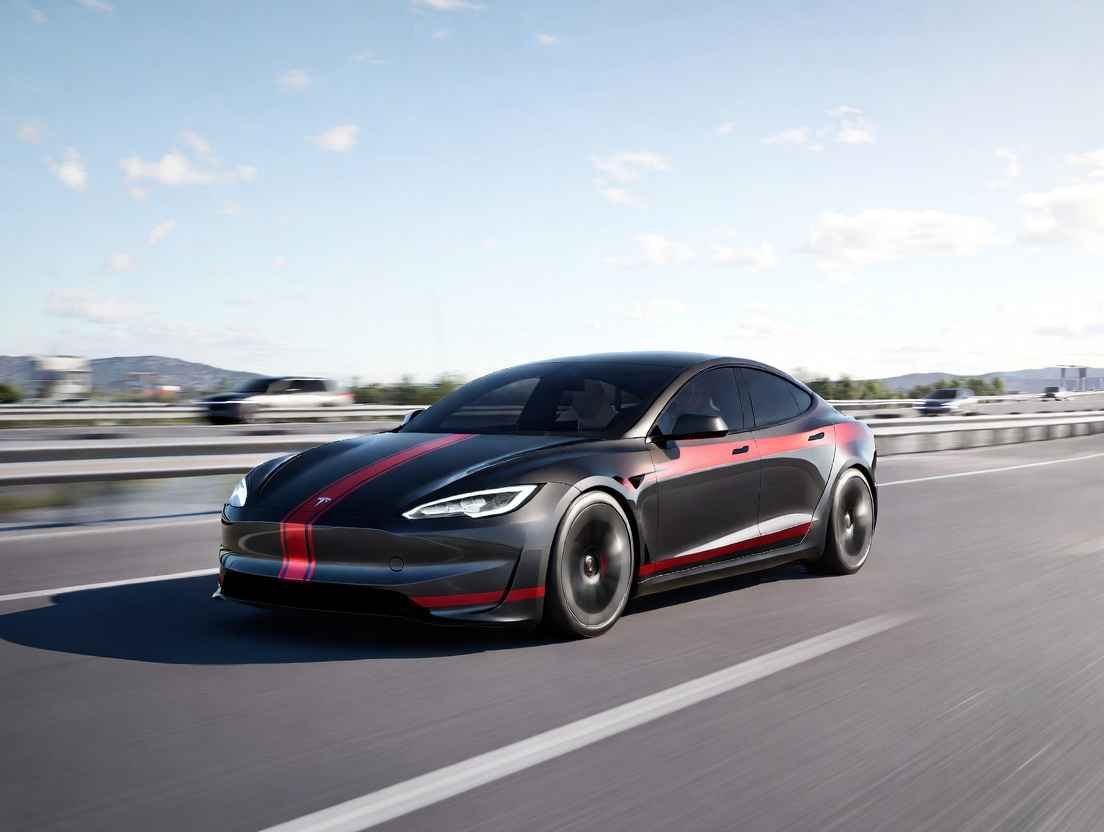
In 2026, the Tesla Model S Plaid is still the best electric racing car for American traffic. Crazy rapid acceleration from a stop helps you get through traffic jams and onto highways without any problems. Over-the-air updates improve handling for different types of traffic, and the big battery lets you drive for a long time without having to stop to charge it often when there is a lot of traffic. Regenerative braking makes city stop-and-go traffic as efficient as possible by turning traffic lights into chances to recover energy. Its large Supercharger network makes it easier to worry about range in areas with a lot of traffic.
5. Audi RS e-tron GT:
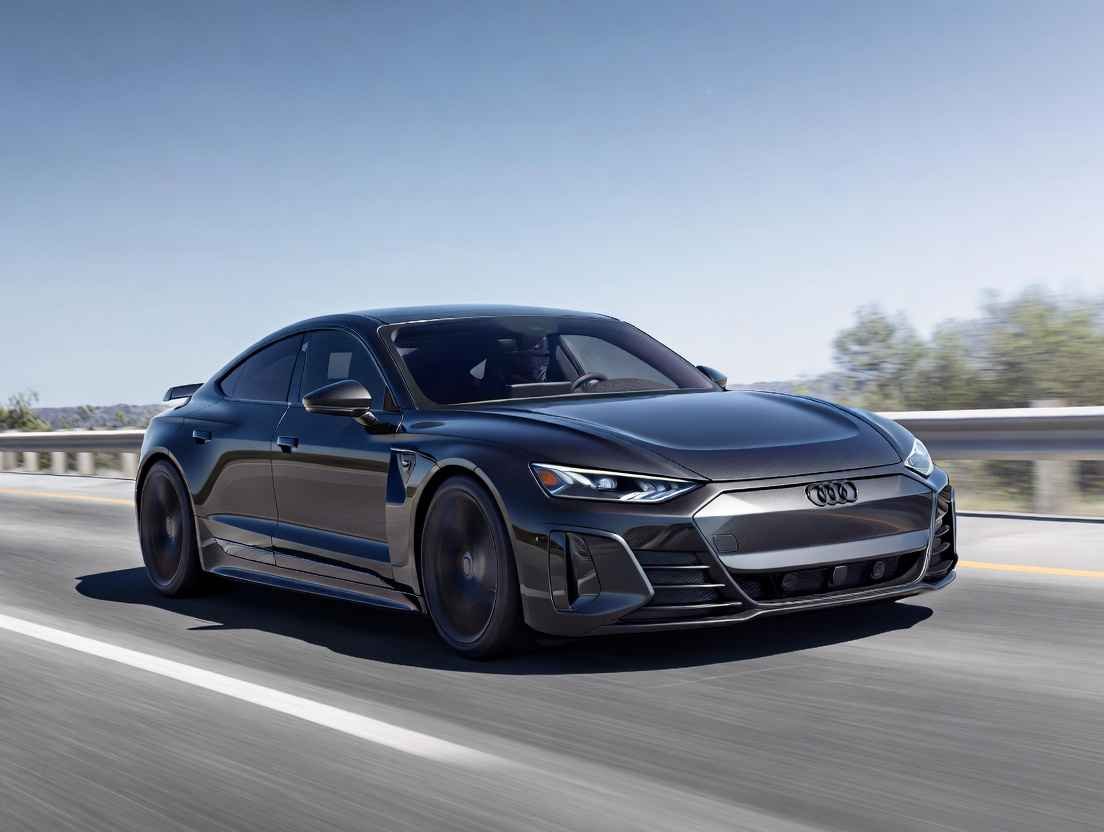
The Audi RS e-tron GT is an electric sports car that channels the spirit of grand touring racing into a car that is perfect for American roads. Balanced all-wheel drive gives you traction on wet roads, whether you’re driving in Seattle or Florida during a downpour. Strong mid-range torque helps you make quick moves in heavy traffic, and premium interior comforts make long waits in backups more bearable. The efficient powertrain saves energy when driving at the different speeds that are common on American interstates. This model is easy to drive daily and performs well on the track.
6. Rimac Nevera (Information about the road-legal version)
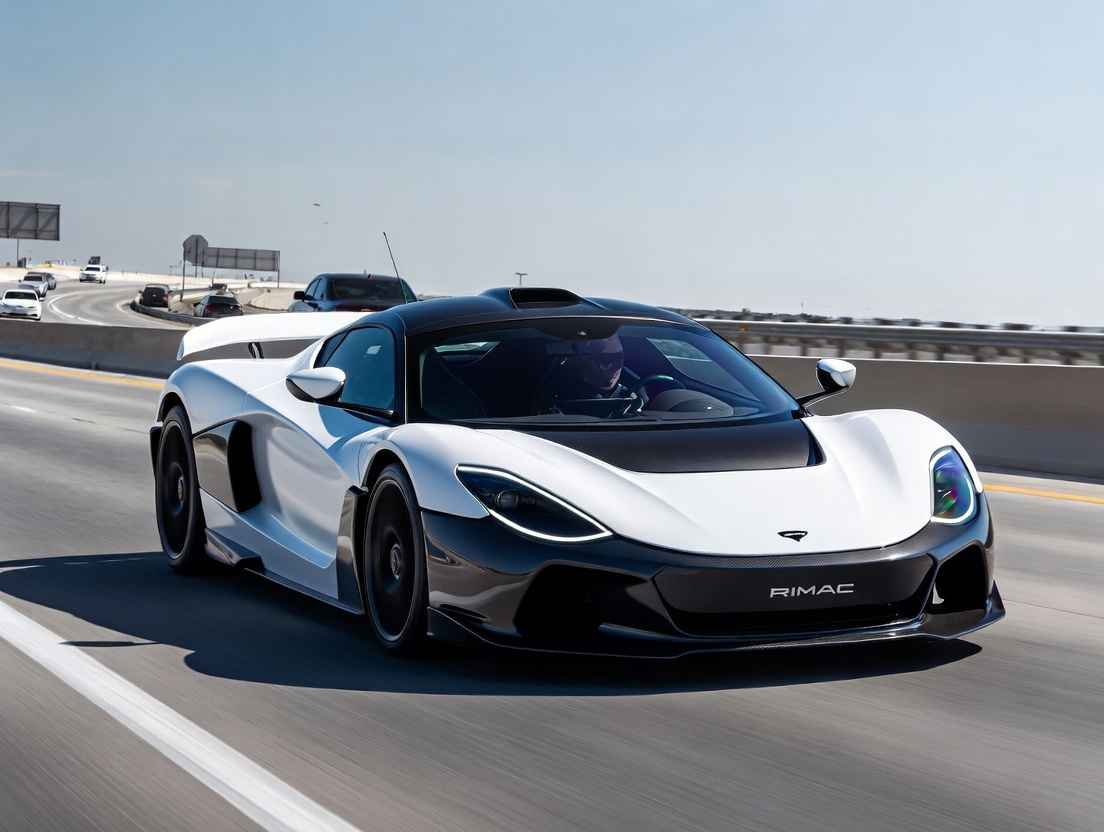
Rimac Nevera pushes electric racing car boundaries with hypercar acceleration, yet its tech influences road-going high-performance EVs in 2026. Extreme torque delivery is useful for quick reactions when there are sudden gaps in traffic on US motorways. Advanced torque vectoring makes evasive moves more stable when drivers are acting erratically. Even though it is focused on the track, its principles can be found in easy-to-understand models that let you go really fast when you need to pass in areas with less traffic while staying calm.
7. Emeya Lotus
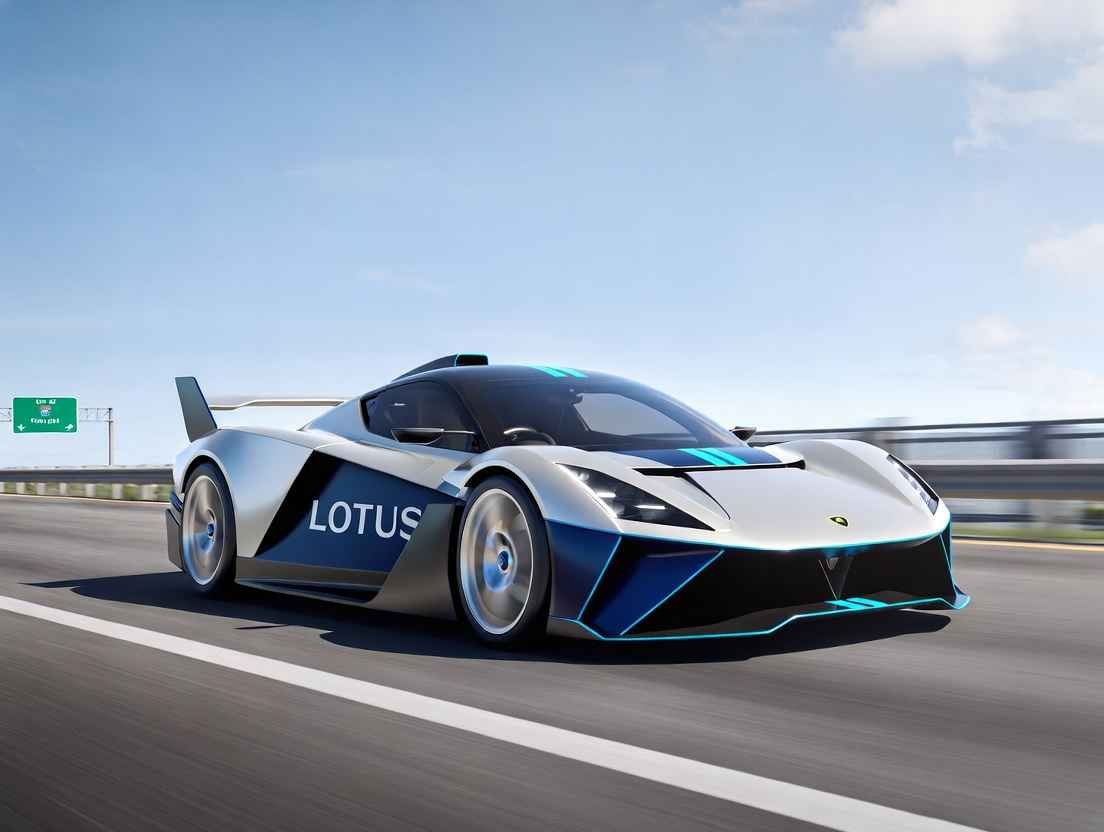
Lotus Emeya brings lightweight racing ideas to electric cars for use in the US. For twisting city streets or winding highways like those in Colorado, agile handling is ideal. Quick changes in direction help avoid traffic jams, and excellent aerodynamics keep the range while cruising at high speeds. The car’s responsive controls make it easy and sure to get through busy intersections. It shows how electric sports cars change racing features to improve them for everyday driving in the US.
8. BMW i4 M60:
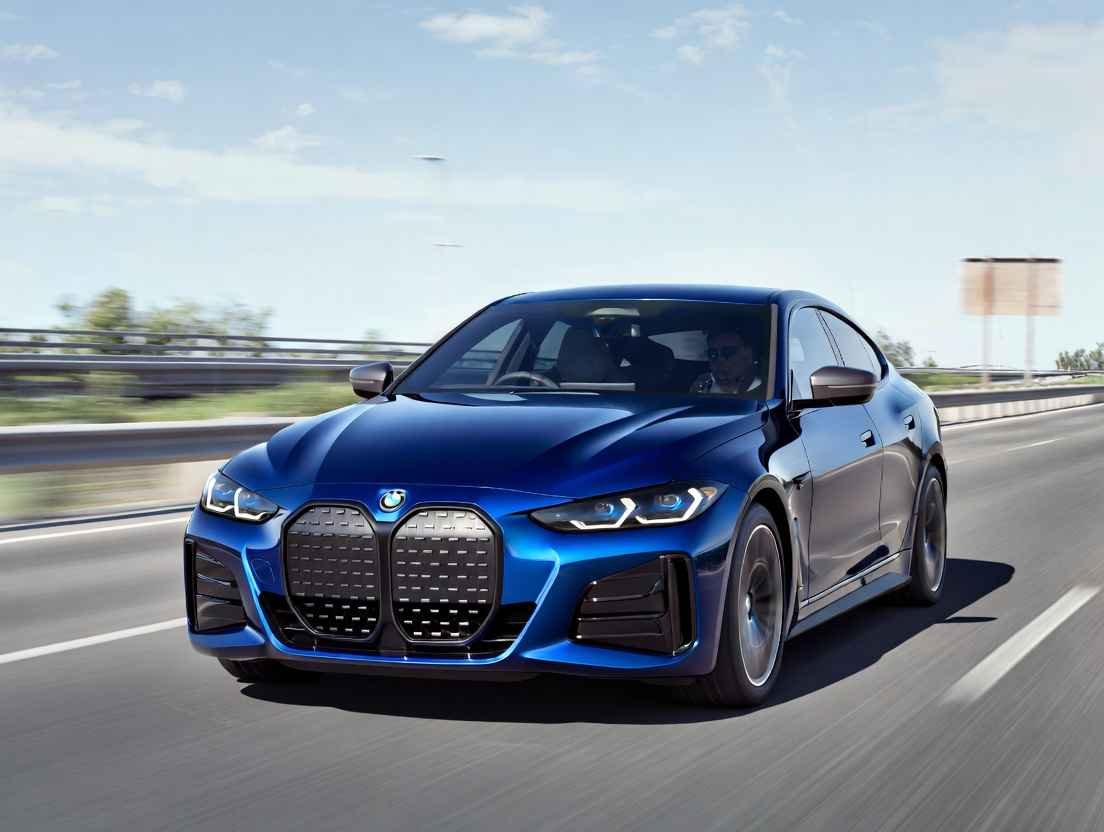
The BMW i4 M60 is an electric car that has M-division tuning and is made for driving in the US. Sporty dynamics make driving through city traffic fun, and the brakes are strong enough to stop quickly. In places like Dallas, where highways and cities mix together, adaptive systems optimise energy use. Because it has a good balance of speed and efficiency, it’s a good choice for commuters who have to deal with traffic every day.
9. Folgore Maserati GranTurismo
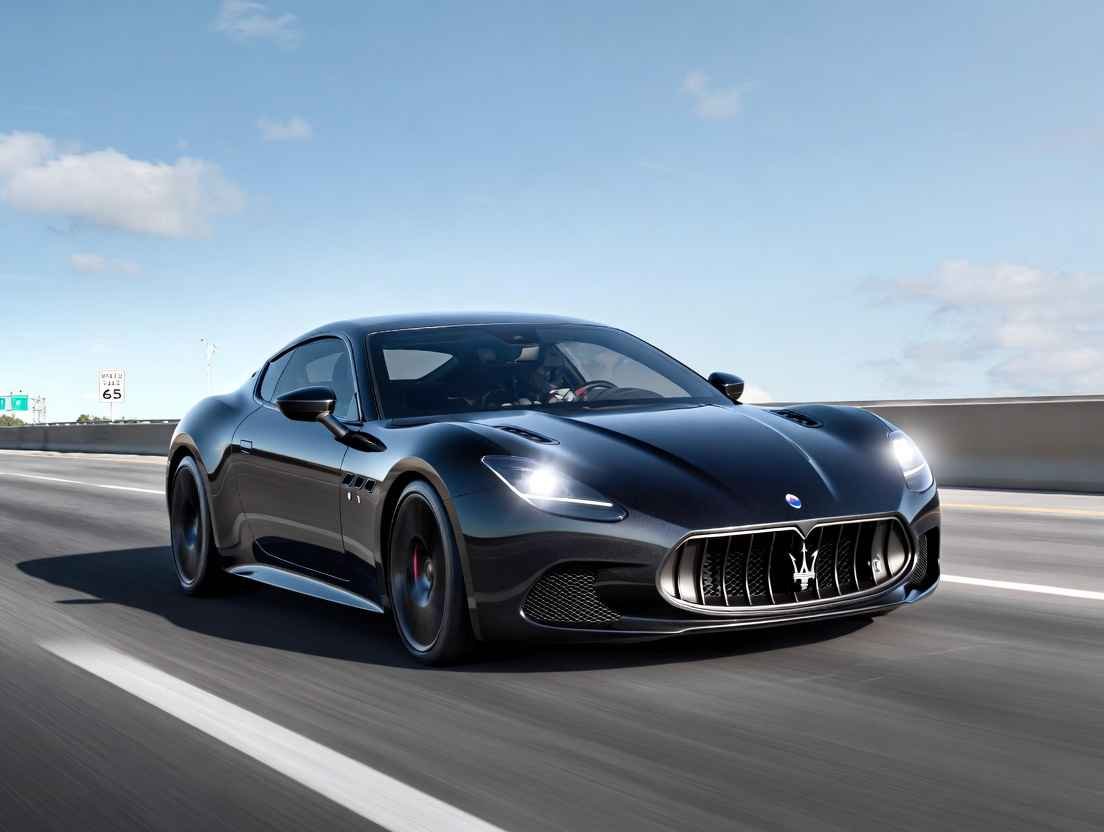
The Maserati GranTurismo Folgore adds Italian style to designs for electric racing cars that are meant to be driven on American roads. Smooth power delivery is ideal for relaxed highway driving, and instant response is great for merging quickly in traffic. A luxurious cabin makes long commutes in traffic less stressful. Battery technology makes sure that the output stays the same in different climates, which makes it appealing to performance-minded drivers in states with a lot of traffic.
10. Rivian R1T (Performance Editions)
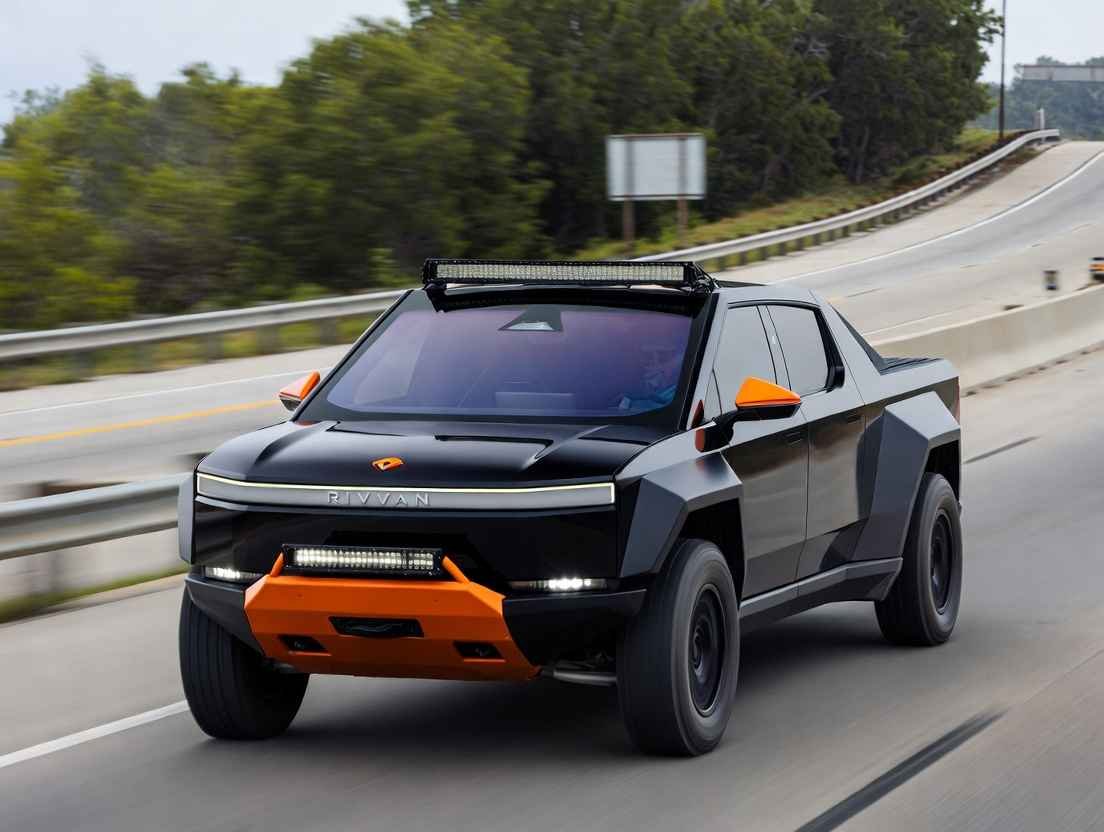
The Rivian R1T performance variants are based on off-road racing and use electric power to work in US traffic. The quad-motor setup gives you the torque you need to tow or start quickly in hilly areas with a lot of traffic, like San Francisco. The strong construction can handle potholes that are common on city roads, and the regenerative features make it more efficient when you have to stop and start. It gives people who need utility and racing-like acceleration in everyday driving many options.
Final Thoughts
Electric racing cars in 2026 lead to a new generation of high-performance electric cars that are better for driving in the US. These models have quick acceleration for safe entry onto the highway, efficient regeneration to recover energy when traffic is heavy, and advanced handling for when road conditions are unpredictable. The Porsche Taycan is very accurate, and the Hyundai Ioniq 5 N is a lot of fun to drive. These two cars show that electric sports cars can do well in real-life American driving. As battery technology improves and charging stations become more common, these fast electric cars become good options for people who want to get to work quickly, efficiently, and with a lot of fun in the middle of traffic. Using electric racing car technology on public roads changes the way people drive on highways and in cities in the US.