Hey, fans of motorsport!
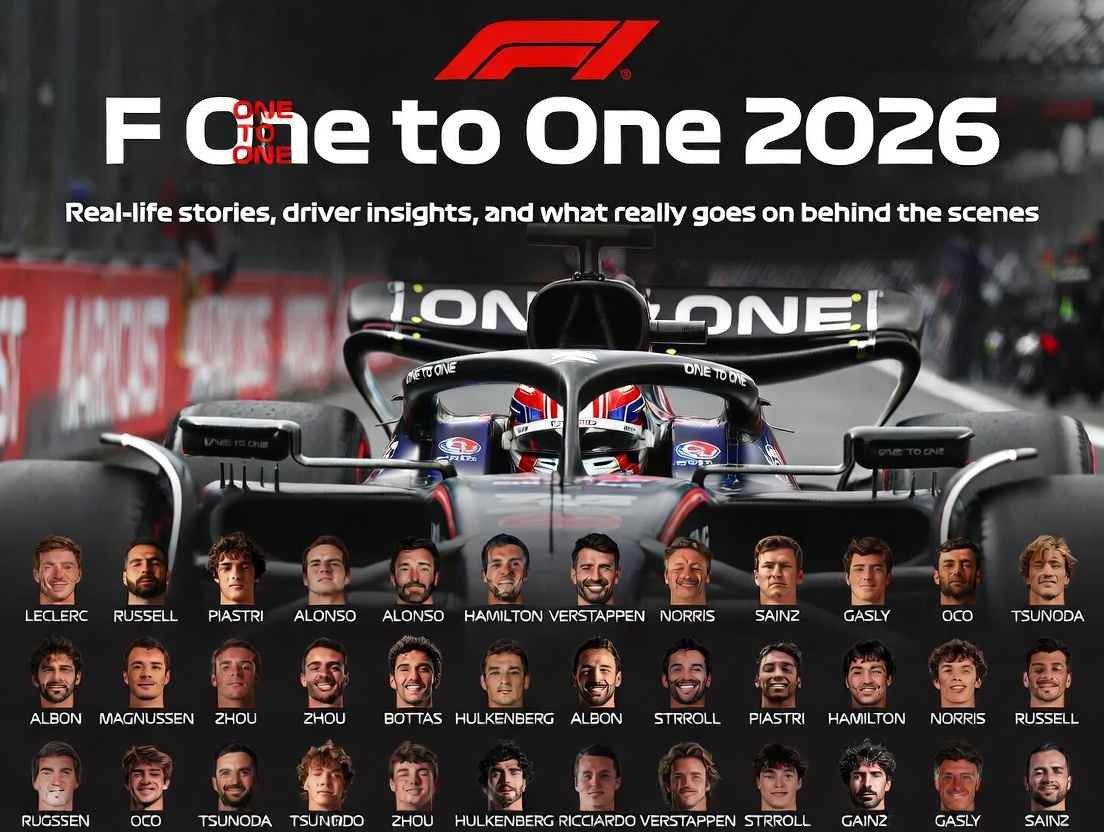
If you want to see the real, personal, no-filter side of F1 One to One, then get ready. Drive to Survive, three home races (Miami, Austin, and Las Vegas), and stars like Logan Sargeant may stay.New American talents are also rising.By 2026, this has made Formula 1 bigger than ever in the US.
F1 one to one isn’t just about lap times and podiums. It is about real stories. It shows what drivers feel at 200 mph. It shows how teams handle budget caps. It covers the stress of being a global superstar. It also shows small things fans never see. This guide gives you a personal F1 one-on-one feel. It shares the drivers’ thoughts and team dynamics. It also covers their lives off the track. It explains why American fans are falling in love with the sport again.
1. What “F1 One to One” Will Mean in 2026
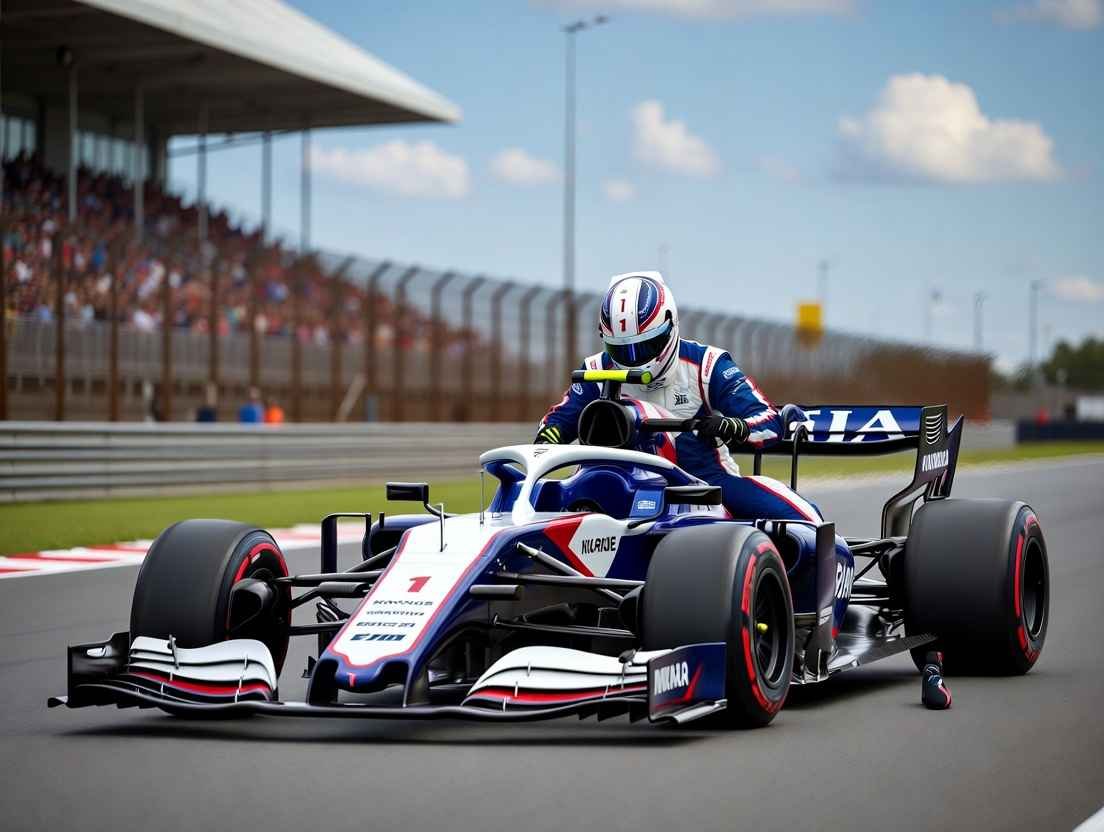
F1 one to one is that close, personal link. It’s not the polished press conference; it’s the truth that drivers share in private, on team radio rants, or late-night debriefs.
Drivers must adapt faster than ever. New 2026 rules require lighter cars and active aero. The rules also call for near-equal hybrid and ICE power. Every weekend, the cars change, the tires wear faster, and smart choices can shape the championship.
F1 one to one is special for USA fans because we can see our guys (or hopefuls) up close. Logan Sargeant showed the way, and now young Americans in F2/F3 are aiming high. It’s not just about racing; it’s about chasing the American dream on the world stage.
2. The driver’s mind: What they really feel when going over 300 km/h
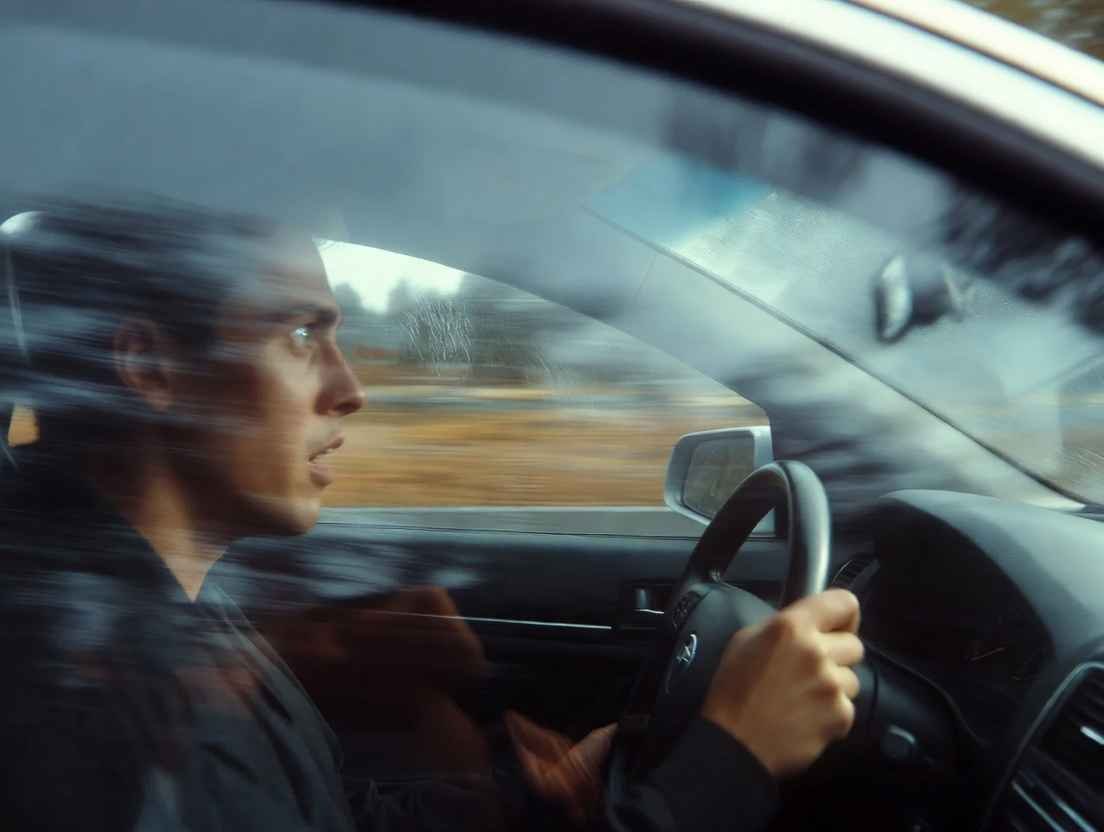
Let’s get F1 to talk to the drivers directly.
Max Verstappen (if he is still in charge): “Every lap is a battle.” Your car talks to you, and if you listen, you win. If you don’t, you’re in the wall.
Max is dealing with new aero rules in 2026 that change the balance of his car in the middle of the season. “It’s like learning a new language while speaking it at 200 mph,” he says.
“Monaco is still the one,” said Charles Leclerc. You can feel every bump and curb. “One mistake and your weekend is over.”
Charles discusses mental health, like the fear of losing your seat and the loneliness of being in the bubble.
Lewis Hamilton (if he’s still racing): “It’s not just driving; it’s a legacy.” Every race is a chance to motivate the next generation.
Lewis talks about how he stays calm when things get tough by meditating and listening to music.
Young American drivers in lower formulas, like Jak Crawford and Christian Rasmussen, say F1 mentoring helps.They say mentors like Lewis or Max can change their lives. “It’s 90% mental,” they say. “The other 10% is talent.”
3. A Day in the Life of an F1 Driver or Team Member Behind the Scenes
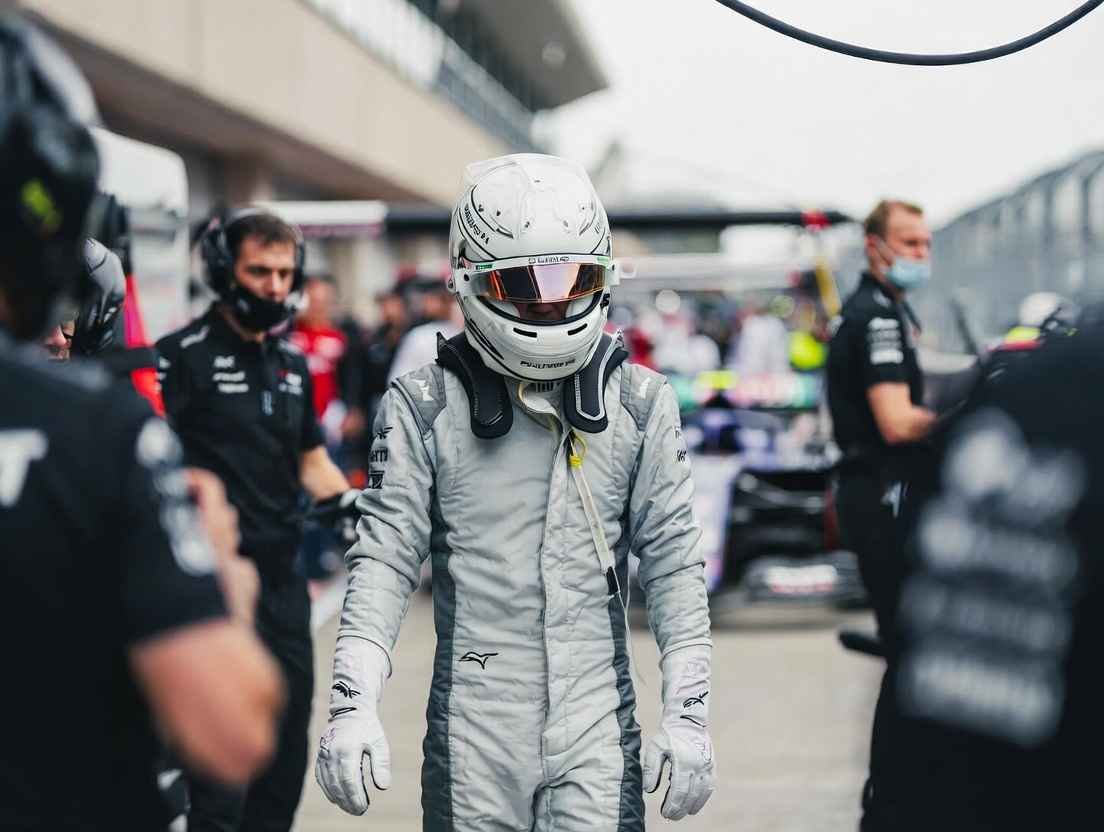
Let’s take a real F1 one-on-one tour of a race weekend from the inside.
Thursday: Work on the simulator, meet with sponsors, and have a media day. Drivers do more than 100 laps in the sim to learn new tracks or setups.
Free practice on Friday. Engineers look at data as it comes in. During pit stops, mechanics can change parts in less than two seconds.
Saturday: Qualifying—the most intense 60 minutes. One bad lap means you start in P20. Drivers say, “Your heart rate goes up to 180 beats per minute just sitting in the car.”
Race day is Sunday. Some people pray, some listen to music, and some picture what will happen before the race. Team radio is raw—calls for anger, motivation, and strategy.
After the race, debriefs can last for hours. Winners drink champagne to celebrate, and losers think about what went wrong.
For fans in the USA, races in Miami and Austin feel like home. There are tailgating, American flags, and big crowds. The Las Vegas night race is all about the show—F1 racing with celebrities and lights.
4. Teams and Engineers: The F1 one-on-one with teams reveals the true stress.
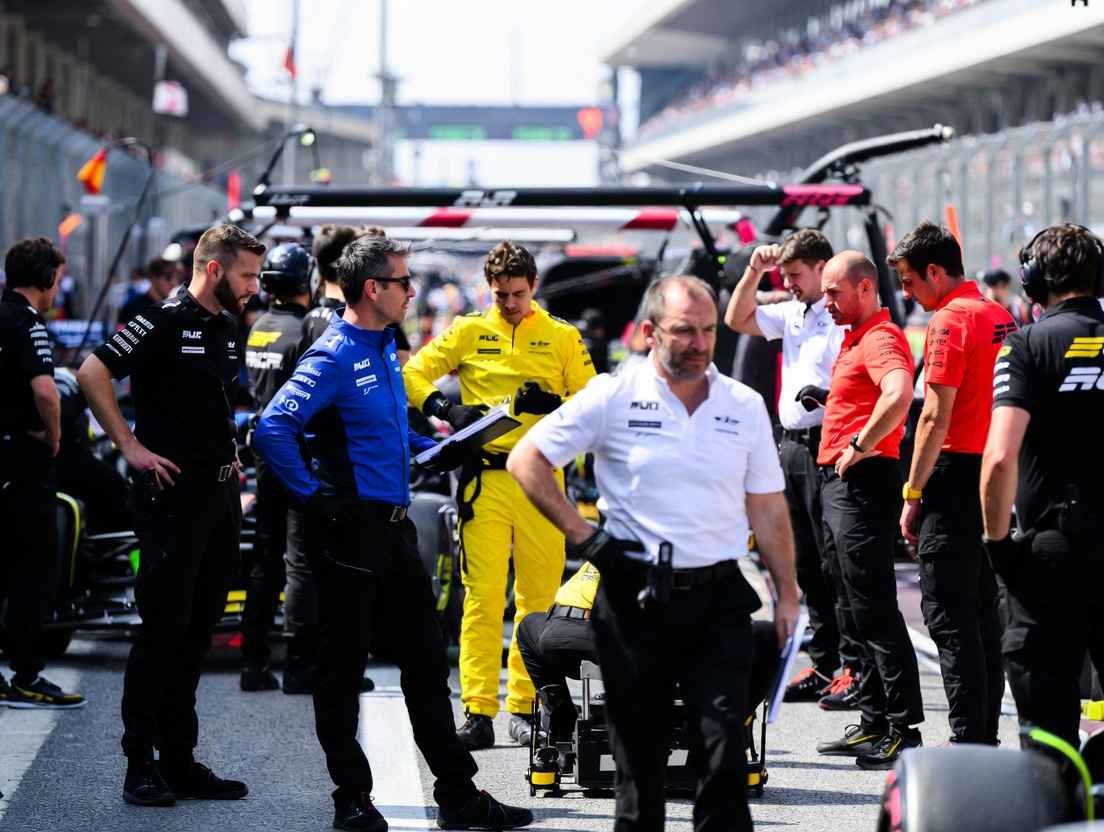
Max Verstappen from Red Bull says, “They build me a rocket every week.” But the budget cap makes every dollar count.
Mercedes: Toto Wolff’s famous radio outbursts are just pure emotion.
Ferrari: passionate but disorganized; drivers say they feel “family pressure” from Tifosi.
During the season, engineers work 80 to 100 hours a week. More simulation hours will be needed to predict performance in 2026 when new power units come out.
USA link: Teams like Haas (American-owned) give F1 fans in the US a more personal experience because they are smaller.
5. From a Fan’s Point of View: Why USA Loves F1 One to One in 2026
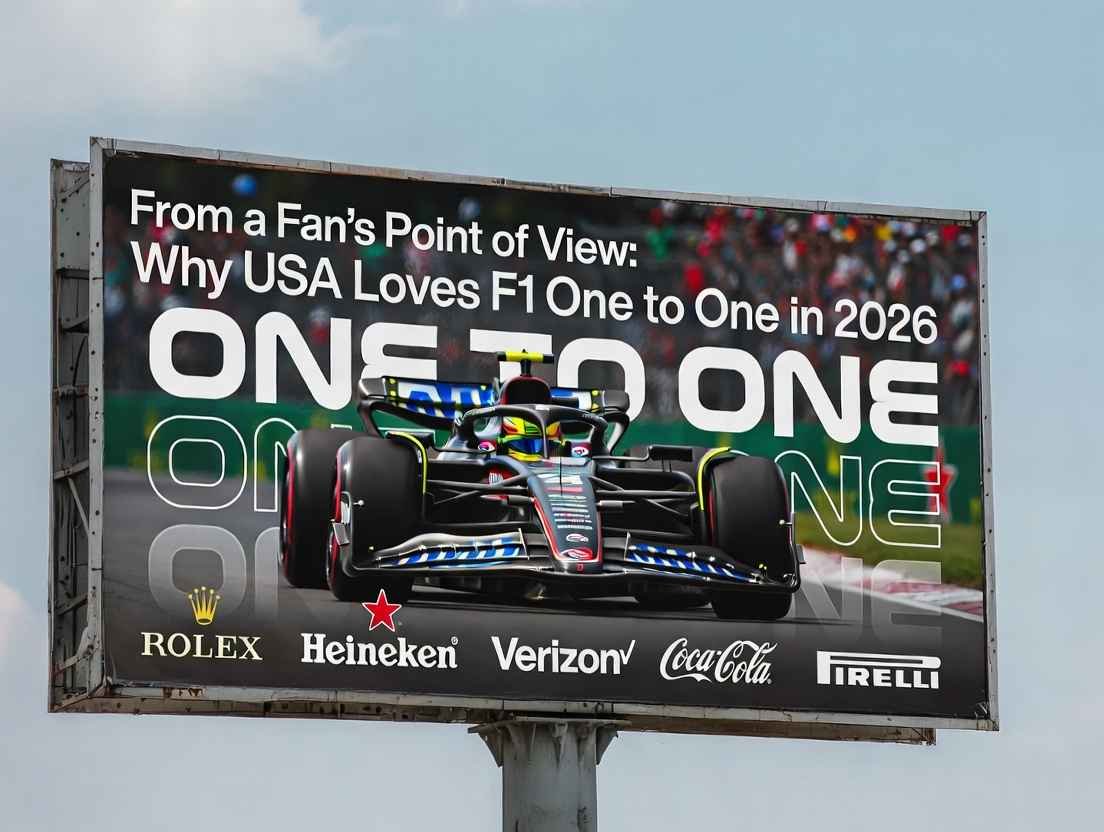
Drive to Survive made F1 huge in the US, and now fans want more one-on-one F1 content.
Tickets are still expensive (good seats cost $500 or more), but it’s easy to stream on ESPN and Disney+.
Podcasts, social media lives, and driver vlogs give that personal touch.
Even if there isn’t a full-time American driver in 2026, fans still hope.
A lot of people say that F1 one-to-one is more emotional than NASCAR or IndyCar because the stakes are so high and the pressure is so high.
6. The Future of F1 One to One
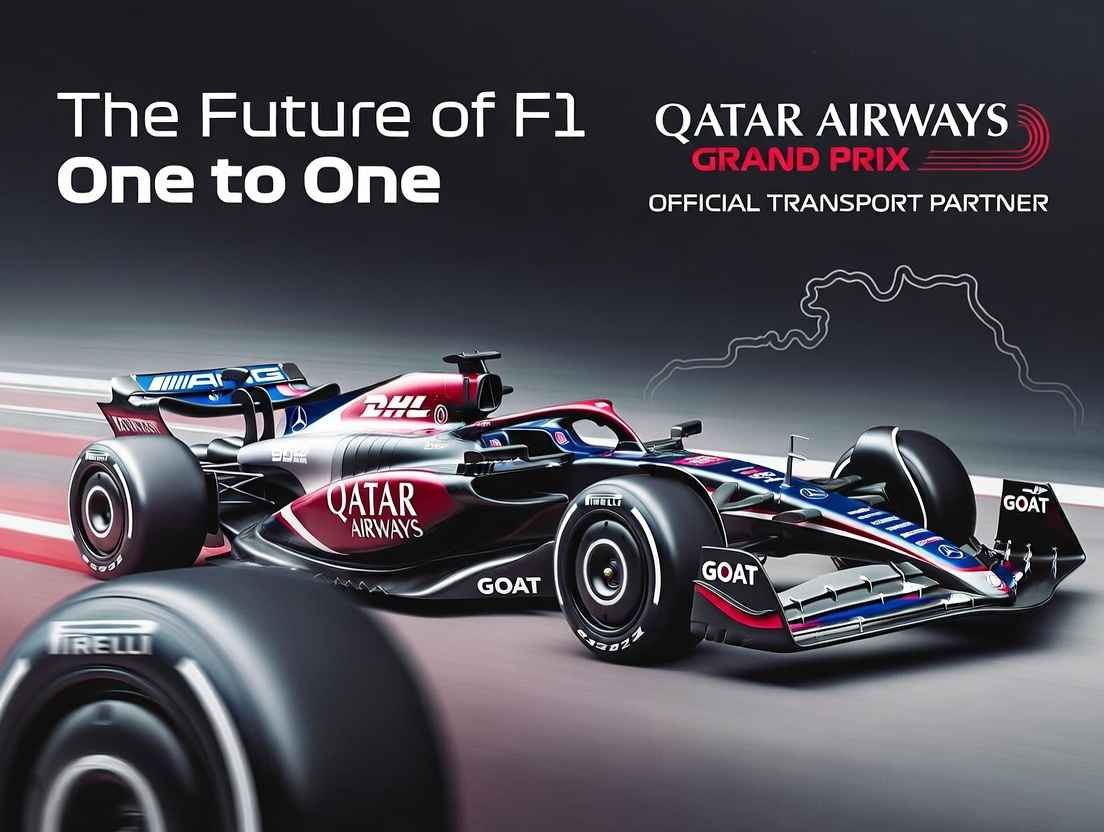
F1 is going greener (using more sustainable fuels), making cars lighter, and making races closer starting in 2026. In-car cameras, AI data, and mental health talks will help drivers share even more.
For fans in the US, F1 one to One is only getting bigger: more content, more access, and more emotion.
Last Thoughts
It’s not just cars going fast in Formula 1; it’s also the stories of people at their limits. This is the side of F1 that you don’t see on TV, whether you’re watching Max fight for another title, Charles chase his first championship, or hoping for the next American star.
Which F1 driver would you like to meet in person? Please leave your thoughts in the comments so we can talk! 🏎️💬