Which would you prefer: the 2026 Chevrolet Corvette ZR1 or the Ford Mustang GTD?
The Ultimate American Performance Showdown: An Introduction
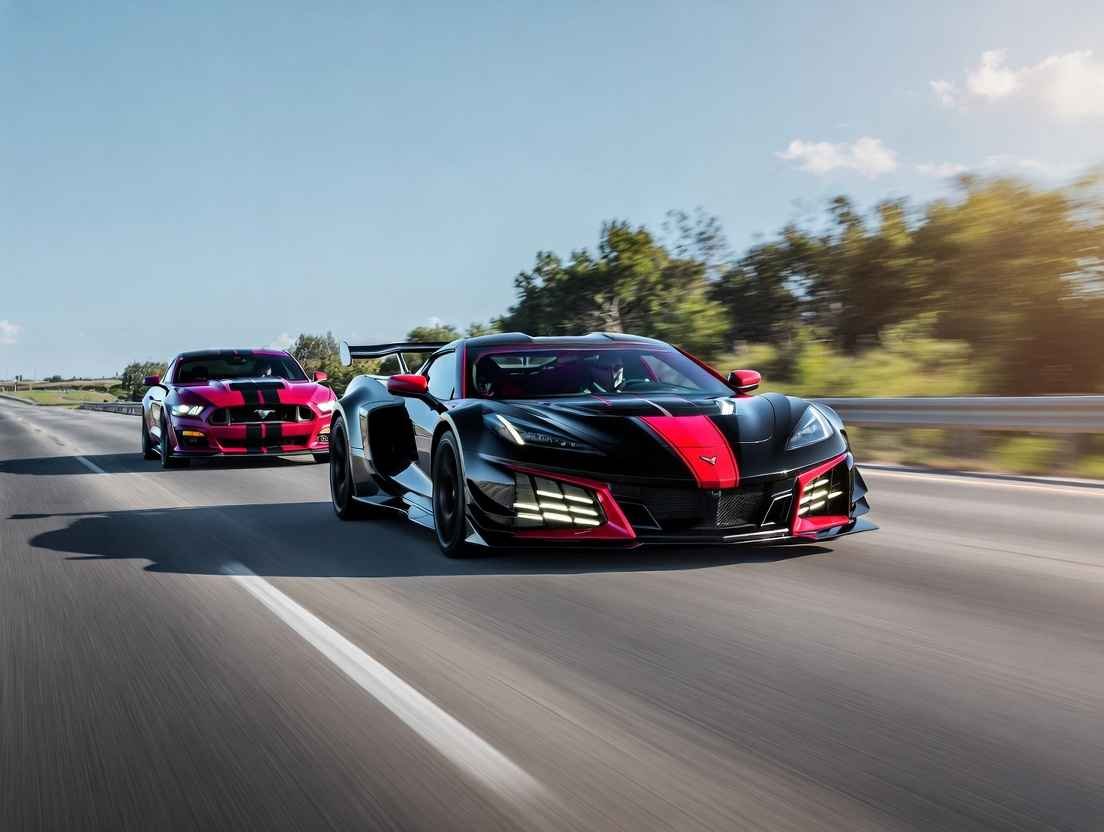
The mid-engine Chevrolet Corvette ZR1 and the front-engine hyper-Mustang Ford Mustang GTD are both American cars that are fighting for the top spot on USA roads and tracks in 2026. One is a twin-turbo beast from the Corvette legacy that costs between $185,000 and $240,000 and has crazy power. The other is Ford’s halo supercar, which is based on GT3 racing and costs between $325,000 and $375,000. It was made to beat the Nürburgring.
This car isn’t just bragging about horsepower; it’s about how well it works in the real world. You can cruise on the highway from LA to Vegas, carve canyons in the Rockies, go to HPDE on the weekends at VIR or Laguna Seca, and drive it every day in busy cities like Miami or Dallas.
We’ll compare them side by side in important categories for US buyers, link to our current guides (Corvette track post + fastest cars 2026), and pick a winner for each use case.
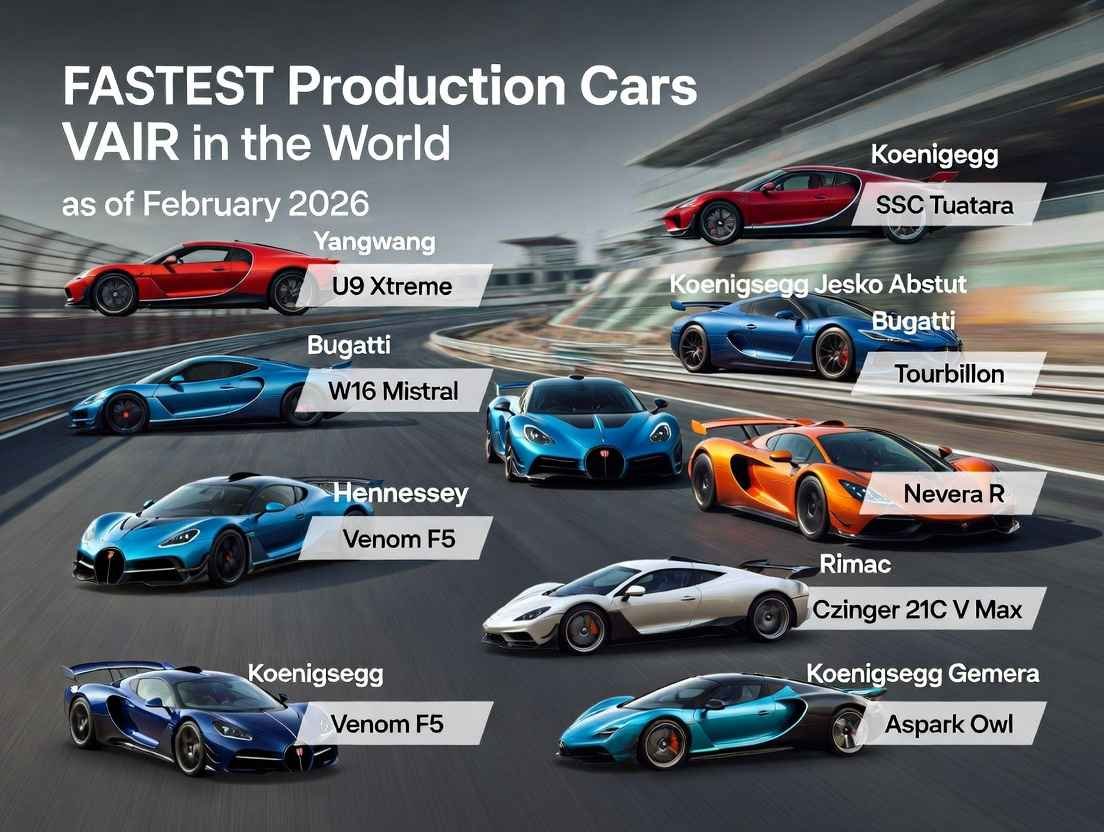
For more information on performance cars that are good for the track, see our guide to the Best Track Day Cars Under $150,000 in 2026 or the full ranking of the Fastest Production Cars in the World 2026.
1. Specs for the powertrain and performance
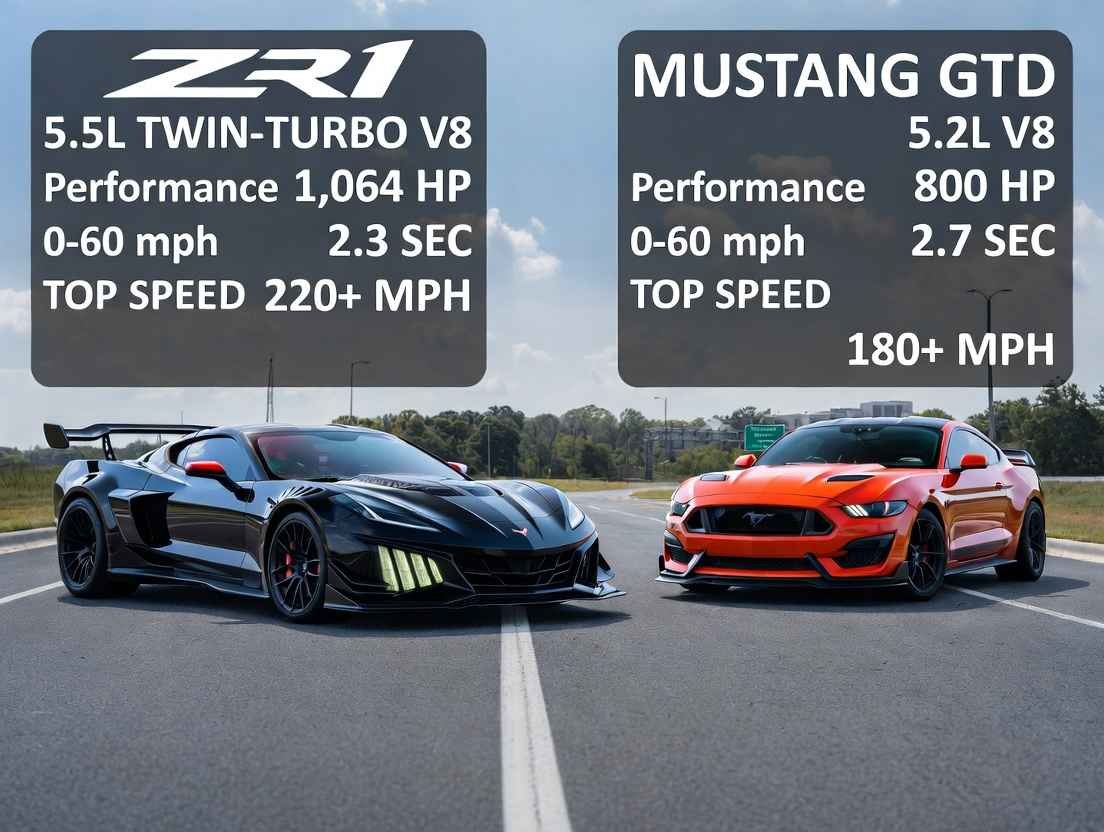
5.5L twin-turbo flat-plane crank V8 engine (LT7)
Power: 1,064 hp at 7,000 rpm
Torque: 828 lb-ft at 6,000 rpm
8-speed dual-clutch automatic transmission
The drivetrain is rear-wheel drive.
0 to 60 mph in about 2.3 to 2.5 seconds (ZTK package)
9.6 to 9.9 seconds for a quarter mile @ about 150 mph
Maximum speed: 233 mph
The ZR1X hybrid version adds an electric front axle with about 186 hp, bringing the total to 1,250 hp and all-wheel drive. It can go from 0 to 60 mph in less than 2.0 seconds.
Ford Mustang GTD (2026)
5.2L supercharged V8 engine (based on Predator)
Power: 815 hp
Torque: about 664 lb-ft
8-speed dual-clutch transaxle (mounted on the back)
Drivetrain: The wheels in the back drive the car.
0 to 60 mph: about 2.8 to 3.2 seconds (estimates)
Not all of the information is out yet, but it has a strong mid-range pull.
Speed limit: 202 mph
6:52.072 for a lap around the Nürburgring (the fastest time for a production car until recently).
The ZR1 wins by a huge margin in terms of raw numbers: more horsepower, more torque, faster acceleration, and a higher top speed. GTD fights back with race-bred transaxle balance and downforce tricks, like an active aero/DRS system.
2. Performance on the track and lap times
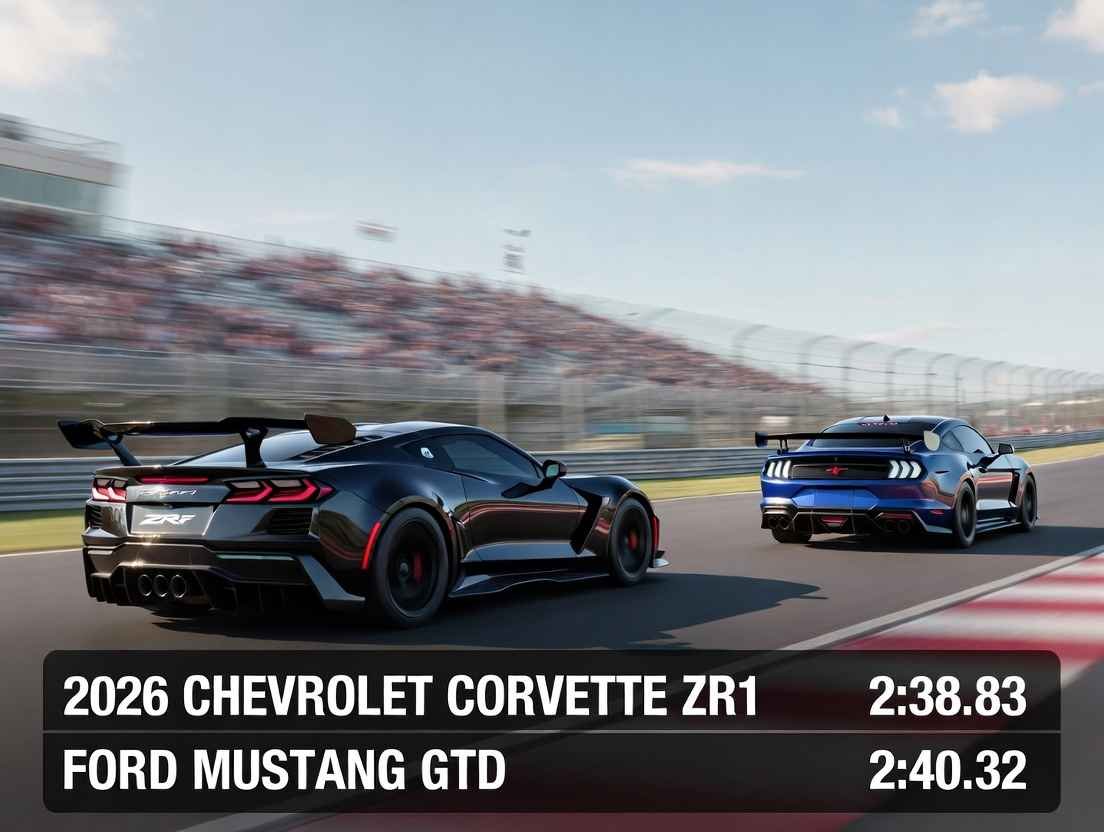
Both cars aim to complete Nürburgring laps in less than 7 minutes, a benchmark for top-tier track cars.
The Corvette ZR1 tests show a range of about 6:50 to 6:52 (with the ZTK package, carbon-ceramics, Cup 2 R tires, and high-downforce aero). Lightning Lap VIR record holder with a time of 2:34 minutes, which refers to the fastest lap time achieved at Virginia International Raceway (VIR). 2.
The official time for the Mustang GTD is 6:52.072 (an early record). It was built using GT3 race car technology and has Multimatic suspension, huge downforce (about 600 kg at speed), and carbon-ceramic brakes.
Relevance of USA Track
VIR, Road Atlanta, Laguna Seca: The ZR1’s mid-engine design and lighter weight (about 3,670–3,900 lb) make it more agile and better at stopping.
Street circuits or bumpy tracks (like COTA and Road America) benefit from GTD’s front-engine weight distribution and active aero, which help keep the car stable.
The verdict: ZR1 wins on speed and ease of use, but both cars have the same lap times. GTD feels more like a “race car” with harsh feedback.
3. Driving on the road and using it every day (with a focus on US roads)
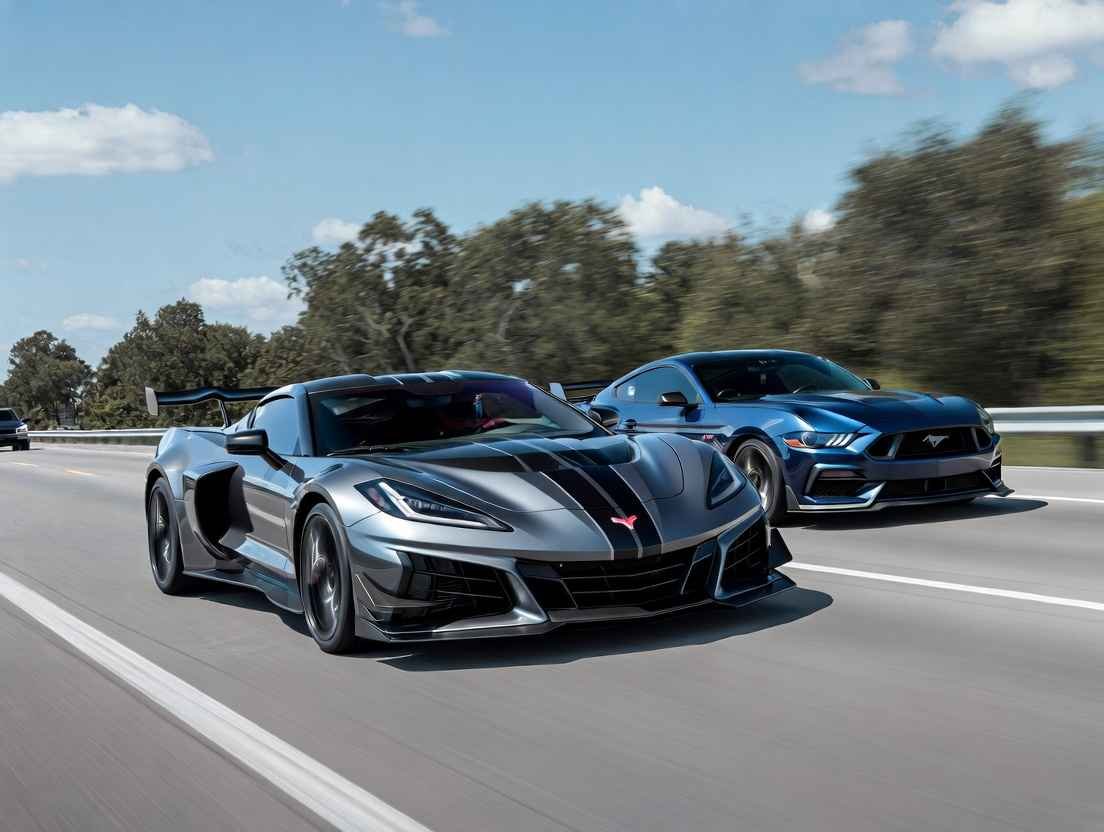
US roads mix together highways (I-95, I-10), canyons (Mulholland, Tail of the Dragon), city traffic, and potholes.
Corvette ZR1
Mid-engine means great balance, quick turn-in, and confidence at speeds over 100 mph.
Magnetic Ride Control and adaptive dampers work well on bumpy roads.
With the targa top off, you can cruise from Miami to Key West in the open air.
Fuel economy is about 12–14 mpg combined, which is painful at the pump.
Inside: modern seats that are comfortable and easy to see out of.
GTD Mustang
Front-engine = classic muscle car feel and a long hood.
The transaxle layout gives it a weight balance of almost 50/50, but it is heavier (about 4,400 lb) and stiffer.
Active aero and hydraulic systems maintain stability at high speeds, but they can be unforgiving over bumps.
Inside: More focused on racing and less on comfort.
The gas mileage is probably worse (about 10–12 mpg).
In the end, the ZR1 wins for everyday use and on the road because it is more comfortable, has better visibility, and can be used as a targa, which is a type of convertible car with a removable roof panel. GTD, which stands for Grand Touring Design, is track-biased and hard on bad USA pavement.
4. Price, Value, and Availability in the US Market
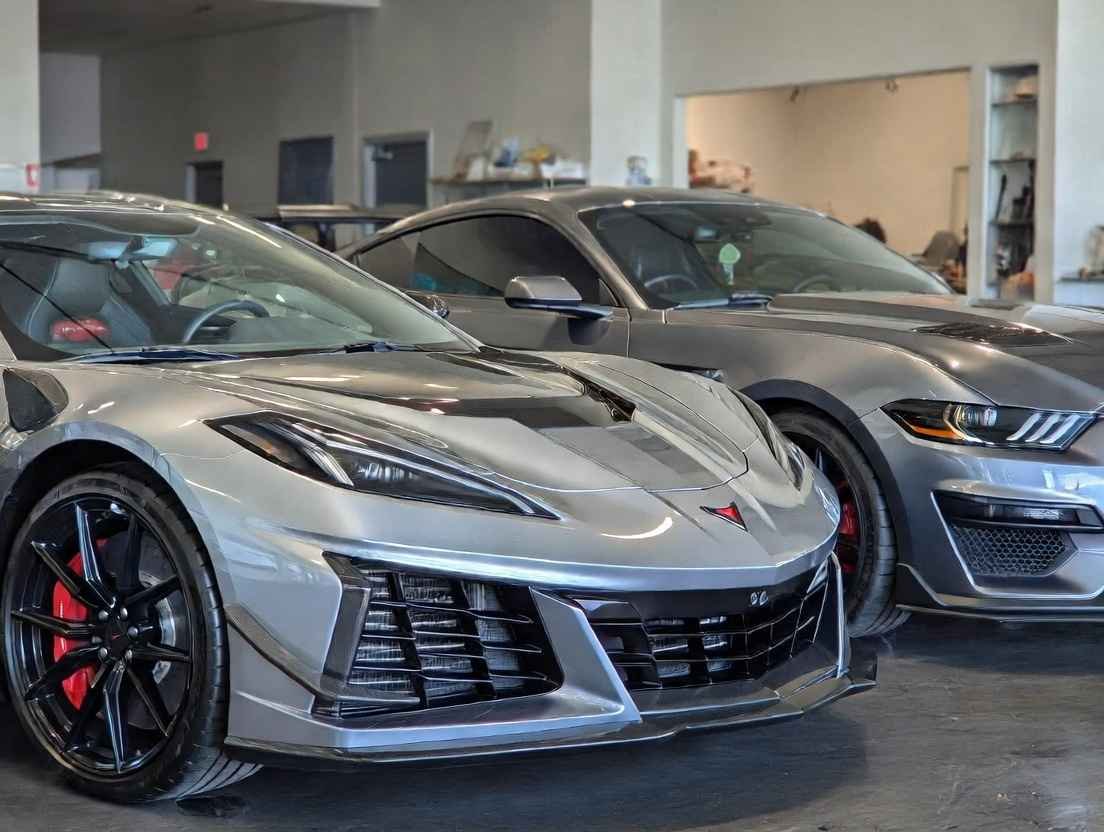
The Corvette ZR1
Starting price: $185,000 (1LZ) to $220,000–$240,000 loaded/ZTK
Many Chevy dealers have them, but in limited quantities.
Resale value is high—the Corvette keeps its value well.
Ford Mustang GTD
The price range for the Ford Mustang GTD starts at approximately $325,000 to $375,000, with options potentially reaching up to $400,000 or more.
Very few were made (only hundreds), and many people are on the reservation/waitlist.
Dealers have a high risk of markup.
Conclusion: The ZR1 is a better deal because it has almost twice as much power, goes faster, and costs less. GTD is a halo car for collectors.
5. Exterior, technology, and aerodynamics
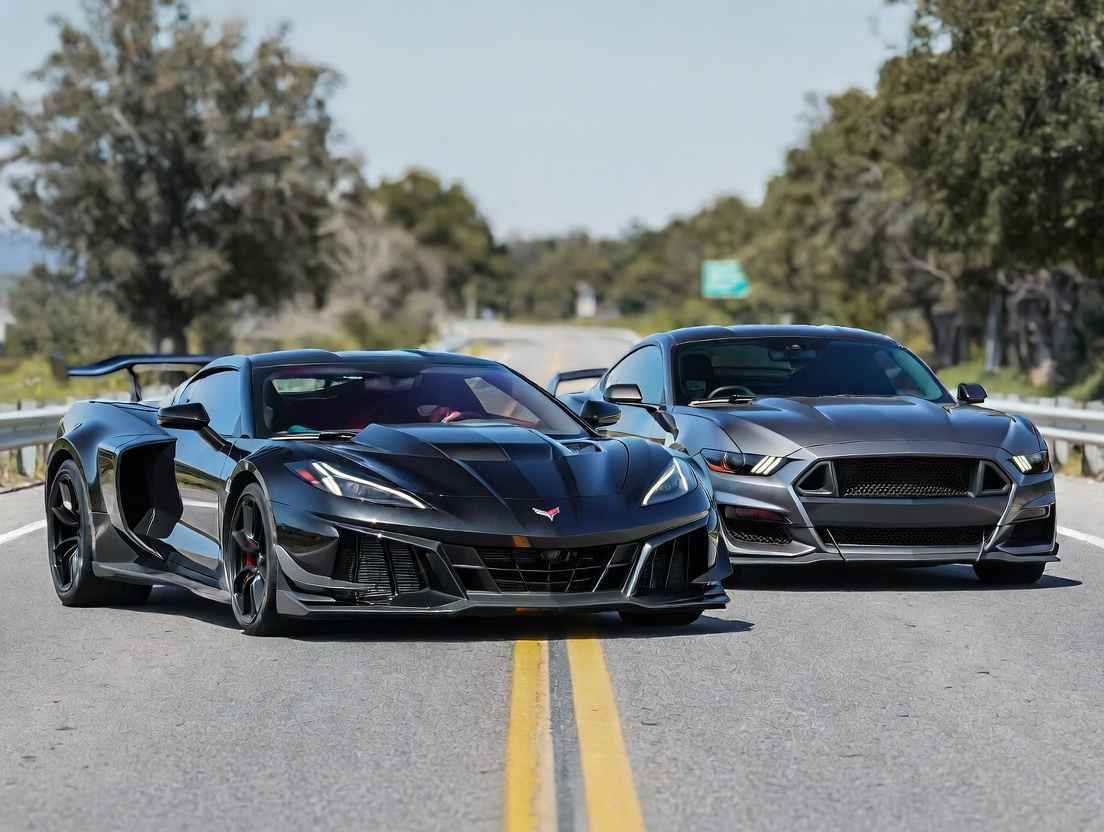
ZR1: aggressive aero (big wing, dive planes), carbon parts, and working cooling.
GTD: A widebody based on the GT3 with a huge rear wing, active flaps, and exposed carbon.
Both scream “track weapon,” but GTD looks more like a race car.
Final Decision: Which Is Better for Roads in the USA?
If you want the best performance for your money, a car you can use every day, a car that can handle the highway, and a car you can actually buy and enjoy on real American roads (from LA traffic to track days), then choose the Corvette ZR1. For 90% of buyers, it’s the smarter, faster, and more flexible choice.
Pick Mustang GTD if: You want a pure race car, bragging rights at the Nürburgring, and something that is hard to find and expensive. For collectors, the Mustang GTD serves as a unique and impressive piece.
The Chevrolet Corvette ZR1 is the overall winner for most USA drivers. It has insane power, supercar speed, and a muscle car price that make it the American dream come true. What do you think? Should you get a ZR1, which is a high-performance sports car, or a GTD, which is a luxury sports car, for your garage? Leave your thoughts below!